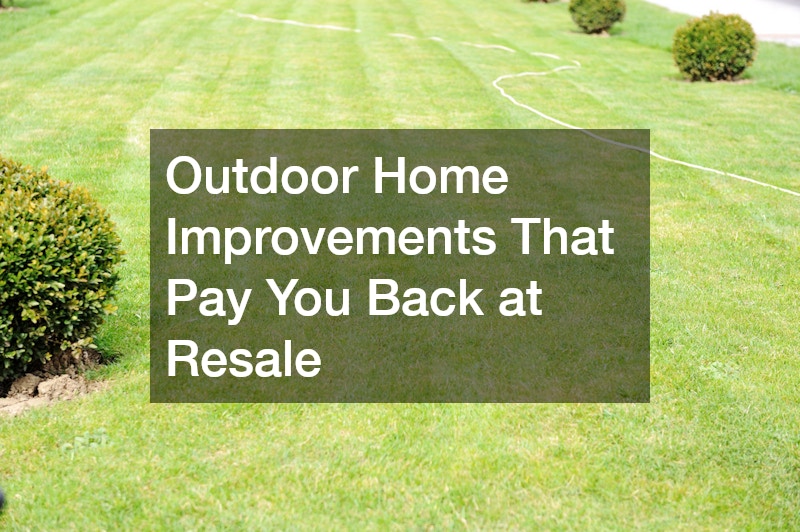
A well-planned outdoor upgrade can boost your home’s value more than almost any interior renovation, but not every project pays off equally. Some improvements recoup their full cost at resale while others simply eat into your budget without adding lasting appeal. If you’re weighing where to invest your money this year, understanding which outdoor projects deliver the strongest return can help you spend wisely. This guide breaks down the improvements worth prioritizing, from hardscaping to tree care, so you can make decisions that pay off both now and later.

Curb Appeal Starts With a Healthy Lawn
A thick, green, weed-free lawn is one of the first things buyers and neighbors notice, and it costs far less than most structural upgrades. Regular feeding on a seasonal schedule keeps grass resilient against drought, pests, and heavy foot traffic. Many homeowners find that professional lawn fertilization services deliver more consistent results than store-bought products because the treatments are calibrated to soil tests and local climate conditions. Over time, this investment protects the lawn from patchy die-off that would otherwise require costly reseeding or sod replacement.
Beyond appearance, a properly fertilized lawn improves drainage and reduces erosion around your home’s foundation. This is especially valuable in regions with heavy rainfall, where bare or thinning turf can wash away topsoil.
- Schedule feeding around your grass type, whether cool-season or warm-season
- Pair fertilization with regular mowing at the correct height
- Avoid fertilizing right before heavy rain to prevent runoff waste
- Test soil pH every couple of years to fine-tune treatment
Patios and Outdoor Living Spaces Add Usable Square Footage
Extending your living space outdoors is one of the most reliable ways to increase both enjoyment and resale value. A well-built patio effectively adds a new room to your home without the cost of a full addition. Working with local patio builders ensures the space is designed to fit your yard’s grading, drainage, and existing landscaping rather than a generic template. Materials like natural stone, pavers, or stamped concrete each offer different price points and durability, so it helps to get guidance on what suits your climate.
A thoughtfully designed patio also encourages buyers to picture themselves entertaining or relaxing outdoors, which can make a home feel larger and more livable during showings.
- Pavers offer easier repairs since individual pieces can be replaced
- Poured concrete is budget-friendly but prone to cracking over time
- Natural stone adds high-end appeal but comes at a premium cost
- Proper base preparation prevents shifting and settling for decades
Retaining Walls and Structural Hardscaping Protect Your Investment
Sloped or uneven yards often need more than decorative touches to stay functional. Retaining walls, dry creek beds, and graded pathways prevent soil erosion while adding visual structure to a property. A hardscaping contractor can assess drainage patterns and recommend solutions that stop water damage before it threatens your foundation or landscaping beds. This kind of structural work tends to pay for itself by preventing far more expensive repairs down the road.
Beyond function, hardscaping elements create defined zones in a yard, such as separating a garden from a seating area, which makes the entire property feel more organized and intentional to potential buyers.
- Retaining walls should include proper drainage pipes behind them
- Choose materials that match your home’s exterior for cohesion
- Steps and pathways reduce erosion on sloped lots
- Professional grading prevents water from pooling near the house
Established Trees Boost Property Value Immediately
Mature trees are one of the few landscaping features that can add thousands of dollars to a home’s appraised value right away. Shade trees reduce cooling costs in summer, while strategically placed evergreens can block wind and lower heating bills in winter. Choosing the right species for your soil and climate makes a significant difference in long-term health and maintenance needs. Visiting a plant nursery to consult with staff about native or well-adapted species can save you from costly replacements later.
Not every tree suits every yard, so it’s worth thinking about mature size, root spread, and proximity to structures before planting. A little research upfront prevents conflicts with sidewalks, sewer lines, or foundations years down the line.
- Native species typically require less water and fertilizer
- Fast-growing trees offer quicker shade but often have weaker wood
- Consider mature canopy width before planting near the house
- Group plantings by water needs to simplify irrigation
Routine Pruning Keeps Trees Safe and Attractive
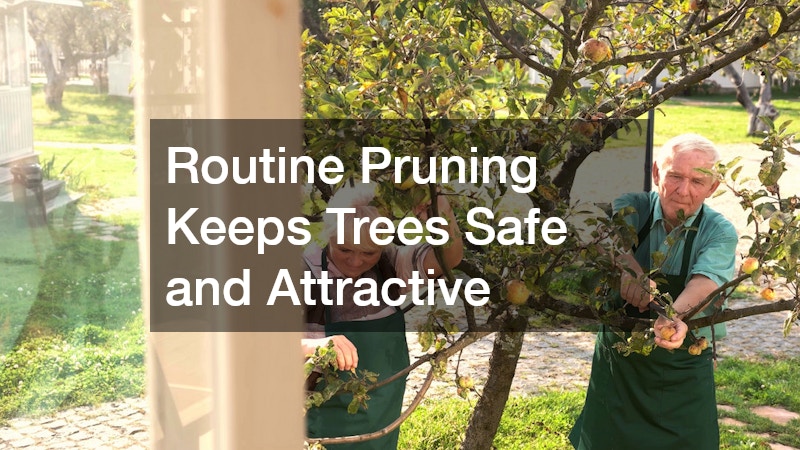
Overgrown branches can pose safety hazards, block sunlight from gardens, and detract from a home’s overall appearance. Scheduling a regular tree trimming service keeps canopies balanced and reduces the risk of storm damage from weak or overextended limbs. Many professional tree services combine pruning with a broader health check, so problems can be spotted and addressed in the same visit. Pruning also encourages healthier growth patterns, which keeps trees looking full and well-shaped rather than sparse or lopsided. This is a relatively low-cost maintenance task that protects a much larger investment in mature landscaping.
Timing matters too, since pruning during dormant seasons generally causes less stress to the tree and reduces the risk of disease transmission through fresh cuts.
- Remove dead or crossing branches to improve air circulation
- Prune away limbs hanging over rooflines or power lines
- Avoid heavy pruning during active growth periods
- Clean tools between cuts to prevent spreading pathogens
Diagnosing Tree Health Problems Early Saves Money
Trees rarely fail without warning signs, but many homeowners miss subtle symptoms like discolored leaves, fungal growth, or thinning canopies until the problem is severe. Bringing in a master arborist for a periodic health assessment can catch issues like root rot, pest infestation, or structural weakness before they become expensive emergencies. These specialists can also advise on soil amendments or watering adjustments tailored to specific species. Catching problems early often means the difference between a simple treatment and losing a mature tree entirely.
An arborist’s assessment is particularly valuable before major landscaping or construction projects, since changes in grading or root disturbance can silently damage a tree’s health for years afterward.
- Watch for cracks, cavities, or fungal growth at the trunk base
- Yellowing leaves out of season can signal root stress
- Leaning trees may indicate compromised root systems
- Annual inspections are worthwhile for large, older trees
Removing Hazardous or Declining Trees Protects Your Property
Sometimes a tree is too far gone to save, whether from disease, storm damage, or old age, and keeping it standing creates real risk to people and structures nearby. Warning signs include large dead branches, fungus growing at the base, a noticeable lean that wasn’t there before, or a hollow-sounding trunk when tapped. Any of these can signal structural weakness that a storm or even a stiff wind could turn into an emergency.
Prompt tree removal prevents the higher costs associated with property damage from a fallen limb or trunk. A large tree falling on a roof, fence, or vehicle can easily run into thousands of dollars in repairs, far more than the few hundred to low thousand it typically costs to have the tree taken down proactively. Insurance may not fully cover the damage either, especially if an adjuster determines the tree was visibly declining beforehand.
Removing a problem tree also opens up space for new, healthier plantings that can better serve the landscape’s design. This is a chance to choose species suited to the site’s sunlight, soil, and drainage, rather than working around whatever grew there decades ago. Many homeowners use the opportunity to improve sightlines, reduce future maintenance, or add trees that boost curb appeal and shade more effectively.
Waiting too long on a clearly declining tree usually costs more in the end, both in emergency service fees and potential damage. After-hours or storm-related removals often carry premium pricing since crews are in high demand, and any resulting damage adds repair costs on top. Scheduling removal on your own timeline, rather than reacting to a fallen tree, is almost always the more economical path.
A certified arborist can spot warning signs most homeowners miss, including root decay, cracked bark, dead limbs, and leaning trunks that signal structural instability. This professional evaluation typically costs $150 to $500, a small price compared to the $1,000 to $5,000 it can cost to repair a roof, fence, or vehicle damaged by a falling tree.
A proper assessment also protects you from unnecessary removal costs. Trees that appear unhealthy sometimes just need treatment for pests, disease, or soil compaction, which can cost a few hundred dollars rather than the $500 to $3,000 typically charged for full removal.
When a tree does need to come down, timing and placement matter for your return. Removing hazardous trees near the house, driveway, or power lines reduces liability and can lower homeowners insurance premiums, while also making the property more appealing to buyers who don’t want to inherit a safety concern.
- Leaning trees near structures should be evaluated immediately, especially if the lean developed suddenly or the soil around the base is heaving or cracked
- Large dead branches, called widow-makers, pose serious hazards and can fall without warning, even in calm weather
- Trees with extensive trunk decay, fungal growth, or hollow cavities are rarely worth saving and often fail from within before showing outward signs
- Root damage from construction, flooding, or grade changes can destabilize an otherwise healthy-looking tree
- Removal costs vary based on size, location, and accessibility, typically ranging from a few hundred dollars for small trees to several thousand for large ones near power lines or buildings
- Getting a certified arborist’s assessment before storm season can help you catch problems while removal is still routine rather than an emergency
Clearing Stumps Completes the Landscape Transformation
Leftover stumps are more than an eyesore; they can attract termites and other pests, sprout unwanted new growth, and create tripping hazards in the yard. Left untreated, a decaying stump can also harbor fungus that spreads to nearby healthy trees and shrubs, turning a minor nuisance into a costlier landscaping problem down the road.
Investing in stump grinding services after a removal finishes the job properly and allows the area to be reclaimed for lawn, garden beds, or hardscaping. Most professionals grind stumps down 4 to 6 inches below the soil line, leaving enough clearance to plant grass seed, lay sod, or install pavers without interference from old roots. The service typically costs between $100 and $400 per stump, depending on diameter and root depth, making it one of the more affordable ways to finish a yard renovation.
Grinding is generally faster and less disruptive than full stump extraction, since it only removes the wood down below the surface rather than pulling out the entire root system. A single stump can often be ground down in under an hour, compared to the heavy equipment, larger holes, and extended cleanup that full extraction demands. This makes it a practical, budget-friendly way to restore a clean, usable yard while preserving surrounding soil and landscaping.
Old stumps left scattered around a yard don’t just look unfinished—they signal deferred maintenance to potential buyers and can knock a property’s curb appeal down a notch. Grinding them out closes the loop on a landscaping project, letting grass, mulch beds, or hardscaping extend seamlessly across the yard instead of stopping abruptly at a decaying stump.
Once a stump is ground down, the leftover wood chips can often be repurposed for garden beds, giving homeowners an easy way to put the material to use rather than paying for separate removal and disposal. A single stump grinding job can produce several bags of usable mulch, enough to cover a modest flower bed or top off pathways around trees and shrubs.
Beyond aesthetics, removing stumps eliminates hazards like hidden roots that trip lawnmowers, attract termites, or sprout unwanted new growth. For homeowners budgeting the project themselves, grinding typically costs far less than full removal, since it leaves the root system in place to decompose naturally underground.
- Grinding typically costs $150-$500 depending on stump diameter, versus $300-$1,000+ for full removal with root extraction
- Ground stumps allow for immediate replanting in the same spot, since grinding only removes the visible stump, not the entire root ball
- Leftover wood chips make useful mulch for nearby beds, though fresh chips should age a few months before use around delicate plants
- Larger stumps (24+ inches wide) or those near fences and structures may require specialized equipment or a professional with a smaller grinder for tight access
- Grinding leaves the root system to decompose naturally, which can take several years but poses no risk to nearby landscaping
Choosing the Right Professionals for Long-Term Results
Outdoor improvements are only as good as the expertise behind them, so it pays to research who you hire before committing to a project. Reputable landscaping companies typically offer design consultations, transparent pricing, and portfolios of past work that let you gauge their style and quality. Checking reviews, licensing, and insurance protects you from costly mistakes or unfinished projects. Taking the time to compare a few options upfront usually results in better communication and fewer surprises once work begins.
It also helps to ask specific questions about timelines, warranties, and maintenance recommendations before signing any contract, since these details often reveal how experienced and organized a company truly is.
- Ask for references from recent, similar-sized projects
- Confirm licensing and insurance before work begins
- Get multiple quotes to compare pricing and scope
- Clarify who handles permits if required in your area
Outdoor improvements that return the most value share a common thread: they combine thoughtful planning with quality execution rather than quick fixes. Whether you start with a simple lawn care routine or move into larger projects like patios and tree care, prioritizing the upgrades covered here will protect your investment for years to come. Take stock of your yard’s current condition, decide which projects address the most pressing needs, and reach out to qualified professionals to get accurate estimates before you begin.