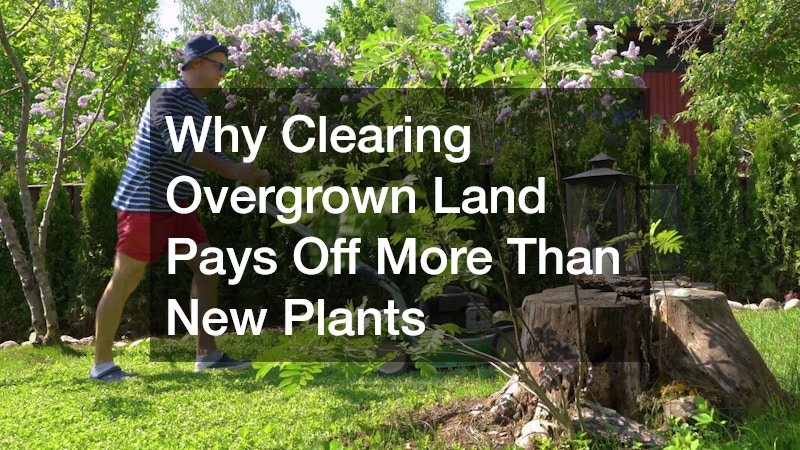
An overgrown yard doesn’t just look messy — it quietly costs you money, safety, and peace of mind the longer it sits untouched. Many homeowners assume the fix is to plant something new and attractive over the mess, but that approach skips a critical first step. Before any new landscaping can thrive, the tangled brush, dead trees, and invasive growth need to go. Understanding why clearing comes first, and what it actually involves, can save you thousands of dollars and years of frustration down the road.
The Hidden Costs of Letting Land Sit Overgrown
Overgrown property rarely stays the same size problem for long. Vines choke out healthy trees, root systems crack driveways, and dead brush becomes a fire hazard that insurance companies notice during inspections. What starts as a cosmetic issue often turns into a structural or safety one within a couple of growing seasons.
Waiting to address overgrowth also means the eventual cleanup becomes more expensive. A professional land clearing crew can remove a manageable thicket in a day, but that same job takes significantly longer once trees mature and root systems spread underground. Acting early keeps the project affordable and prevents small problems from becoming expensive emergencies.
Another cost is lost usability. When sections of the yard become inaccessible, homeowners may stop using patios, sheds, play areas, or garden spaces simply because reaching them is difficult. Overgrowth can also conceal broken fencing, drainage failures, dumped debris, or deteriorating outdoor features. Clearing vegetation exposes these conditions early, making it easier to prioritize repairs before they become more disruptive or expensive.
- Overgrown roots can damage foundations, septic lines, and buried utilities
- Dead vegetation increases wildfire risk in dry climates
- Dense brush attracts rodents, snakes, and other unwanted wildlife
- Property values drop when curb appeal disappears under weeds and vines

Why New Plants Cannot Fix an Overgrown Foundation
It’s tempting to buy a few flowering shrubs and call it a day, but new plants placed into overgrown, compacted, or nutrient-poor soil rarely survive their first year. The existing root systems from invasive plants and dead trees compete for water and nutrients, choking out anything new before it establishes itself. Without clearing that competition first, homeowners end up replacing the same plants year after year.
A landscape contractor will almost always recommend clearing before planting, because the soil itself needs a chance to recover. Compacted earth under years of brush often lacks the drainage and aeration healthy plants need. Skipping this step is one of the most common reasons DIY landscaping projects fail within the first growing season.
Clearing also gives homeowners an accurate picture of sunlight, wind exposure, and drainage across the property. Those conditions determine which plants are likely to perform well in each area. A shaded corner may need entirely different species than an open slope receiving afternoon sun. Designing around the site conditions creates a healthier landscape and reduces the need for constant replacement, watering, or corrective maintenance.
How Professional Land Clearing Actually Works
This kind of work is more involved than simply mowing down weeds or renting a brush cutter for a weekend. Professionals assess the property, identify which vegetation is invasive versus beneficial, and use the right equipment for the terrain, whether that’s a small residential lot or several acres of rural land. This process protects healthy mature trees while removing the growth that’s actually causing problems.
The right approach depends heavily on what’s growing and why. An experienced crew will typically walk the property first, mark boundaries, and create a plan that accounts for slope, drainage, and existing structures before any equipment starts running.
Safety is a reason professional equipment matters. Hidden rocks, uneven ground, abandoned wire, old stumps, and buried debris can damage machinery or injure someone using handheld tools. Crews accustomed to clearing work know how to proceed and adjust their methods when obstacles appear. That controlled approach can prevent unnecessary damage to the property while keeping the project moving efficiently from one section to the next.
- Site assessment to identify invasive versus native vegetation
- Selective removal to preserve healthy trees and topsoil
- Equipment selection based on terrain and lot size
- Debris removal and disposal or mulching on-site
- Soil grading to prepare for future landscaping or construction
Confirm Property Lines Before Any Equipment Arrives
One of the most overlooked steps before clearing land is confirming exactly where your property ends and your neighbor’s begins. Overgrown vegetation often obscures old markers, fences, or stakes, leading to disputes if clearing crosses a boundary by even a few feet. A land surveying service can identify exact property lines and easements before work begins, which prevents costly legal headaches later.
This step matters even more if you’re planning future construction, fencing, or drainage work on the cleared land. Surveys also reveal utility easements that might restrict where trees can be removed or where structures can eventually go. Spending a few hundred dollars on a survey upfront is far cheaper than a boundary dispute after the fact.
Homeowners should avoid relying only on an old fence line as proof of ownership. Fences can be installed inside a boundary, shifted over time, or built according to outdated assumptions. Confirming the limits of the parcel gives everyone involved a clear working area. It also helps contractors avoid disturbing neighboring vegetation, shared access points, or features that may sit close to the property line.
Address Dead and Damaged Trees Before They Become Hazards
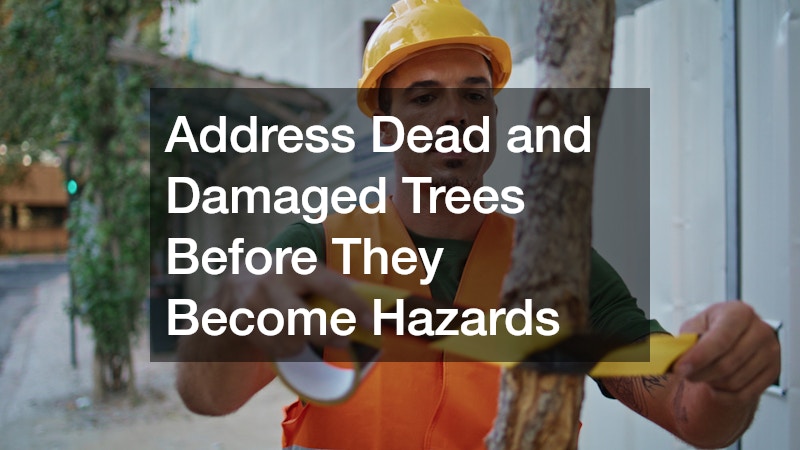
Overgrown properties often hide trees that are dead, diseased, or structurally compromised behind healthy-looking foliage. These trees pose a real risk during storms, when weakened limbs or entire trunks can fall on structures, vehicles, or people. Identifying which trees need to come down entirely, versus which ones simply need trimming, is a job best left to trained eyes.
Tree removal services handle the trees that are too far gone to save, using controlled techniques to bring them down safely without damaging nearby structures or utility lines. Meanwhile, tree pruning services can extend the life of healthy trees by removing dead limbs and improving airflow through the canopy, which reduces disease and pest problems. Combining both approaches during a clearing project ensures the trees you keep actually thrive afterward.
Stumps and weakened root systems deserve attention as well. Leaving a stump behind may interfere with grading, mowing, construction, or planting, depending on how the space will be used. In some cases, decaying wood can also attract insects or create soft areas in the soil. Planning stump grinding or removal during the larger project prevents homeowners from having to bring heavy equipment back later.
Manage Pests That Thrive in Overgrown Brush
Tall grass, brush piles, and leaf litter create ideal conditions for pests that most homeowners would rather not think about. Ticks in particular thrive in shaded, humid underbrush and can migrate onto pets and people within seconds of walking through overgrown areas. Clearing this habitat is one of the most effective ways to reduce tick populations on a property without relying solely on chemical treatments.
Beyond ticks, overgrown land often harbors mosquitoes, wasps, and rodents that find shelter in dense vegetation. Many homeowners pair a clearing project with insect control services to treat the property once the brush is gone, since pests have fewer places to hide and treatments become more effective. This combination approach tends to produce longer-lasting results than pest control alone on an untouched, overgrown lot.
After clearing, homeowners can make the property less inviting to pests by keeping grass trimmed, removing unnecessary wood piles, and preventing water from collecting in containers or low areas. These simple maintenance habits support the work already completed. They also make it easier to notice new pest activity instead of discovering a larger problem after dense vegetation has returned around the perimeter.
- Ticks favor shaded, moist brush and tall grass along property edges
- Rodents nest in brush piles and dead wood left on the ground
- Standing water in overgrown areas breeds mosquitoes
- Clearing reduces hiding spots, making pest treatments more effective
Plan Water Flow and Irrigation Before Replanting
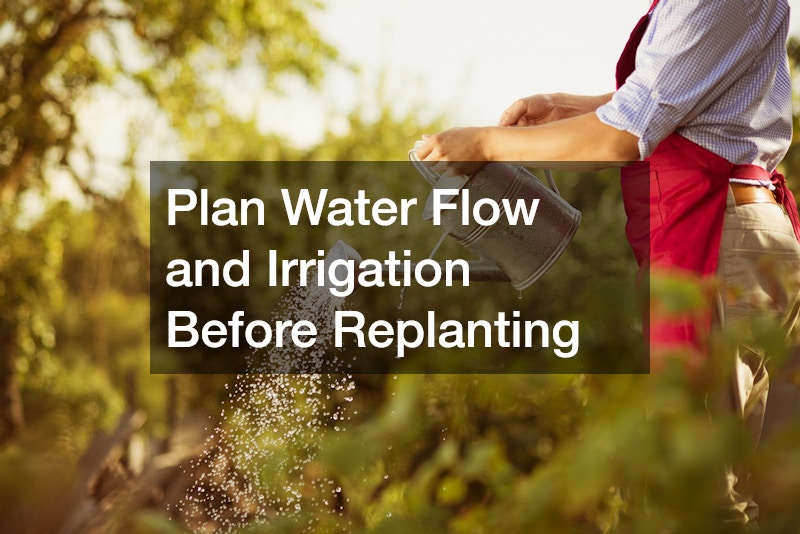
Once land is cleared, many homeowners are surprised to discover drainage problems that were previously hidden under brush, including low spots that collect water or areas where runoff erodes soil. Addressing these issues before installing new landscaping prevents costly replanting down the road. This is also the ideal time to plan irrigation lines while the ground is open and accessible.
Reaching out to local irrigation companies during the planning phase, rather than after new plants are already in the ground, allows for more efficient system design. Underground lines can be routed around walkways, patios, and garden beds before anything is installed, which avoids the expense of digging up finished landscaping later. Getting this step right the first time saves both money and water in the long run.
Drainage planning should account for neighboring properties and structures, not just the areas being replanted. Redirecting runoff without considering where it will travel can send water toward a foundation, driveway, or adjacent lot. A thoughtful plan works with the property’s natural grade whenever possible. It can also incorporate swales, drains, permeable surfaces, or placed planting beds to slow and manage water more effectively.
Build Sustainable Habits Into Your Land Management Plan
Clearing overgrown land is a one-time project, but keeping it from returning to its previous state requires ongoing attention. Sustainable land management means choosing native plants that don’t require excessive water, mulching cleared areas to suppress weed regrowth, and scheduling regular maintenance rather than waiting for problems to reappear. This approach protects the investment you’ve already made in clearing the property.
Property owners who adopt these habits early tend to spend far less on maintenance over time compared to those who let land sit untouched between projects. Rotating mowing schedules, monitoring for invasive regrowth, and maintaining healthy soil all contribute to a landscape that stays manageable year after year rather than reverting to overgrowth.
A maintenance calendar can make these habits easier to sustain. Homeowners might inspect the property at the beginning of each season, remove volunteer saplings before they become established, refresh mulch where it has thinned, and cut back aggressive vines. Smaller, scheduled tasks take less time than cleanups and allow property owners to respond before new growth once again overwhelms fences, trees, or usable outdoor areas.
- Choose native, low-water plants suited to your climate
- Mulch cleared areas to suppress weed regrowth
- Schedule seasonal maintenance instead of reactive cleanup
- Monitor for invasive species before they take hold again
Prepare the Ground for Hardscaping and Structural Additions
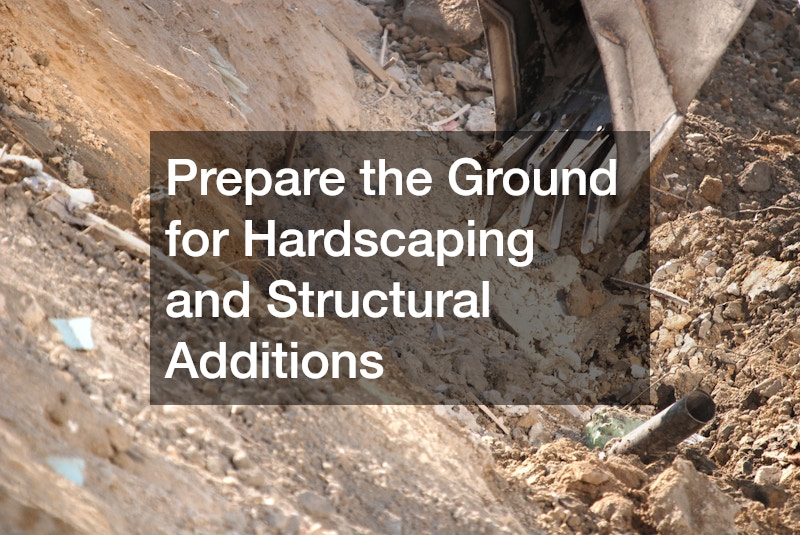
Cleared land often opens up possibilities that overgrown property simply couldn’t support, including patios, walkways, and driveways. Sidewalk concrete installations, for example, require stable, level ground free of roots and debris, which is impossible to guarantee on a lot still covered in brush. Clearing first ensures these additions are built on a solid foundation rather than settling unevenly within a year or two.
This is also the point where many homeowners start mapping out how the cleared space will be used, balancing greenery with functional hardscaping. Thinking through walkways, seating areas, and garden beds at this stage prevents the piecemeal look that comes from adding features one at a time without an overall plan.
Future access should be considered before hardscaping begins as well. Contractors may need room for mowers, utility repairs, tree work, or drainage maintenance years after the renovation is finished. Leaving practical access routes can prevent sections of new concrete, fencing, or planting beds from becoming obstacles later. A well-planned layout should look finished while still allowing the property to be maintained without unnecessary demolition or disruption.
Clearing overgrown land isn’t the flashy part of a landscaping project, but it’s the step that determines whether everything built afterward actually lasts. Skipping straight to new plants or hardscaping without addressing what’s underneath almost always leads to wasted money and repeated work. Start by assessing what’s actually growing on your property and which professionals you’ll need to bring in first. A little planning now sets up years of low-maintenance enjoyment instead of a never-ending cycle of cleanup.