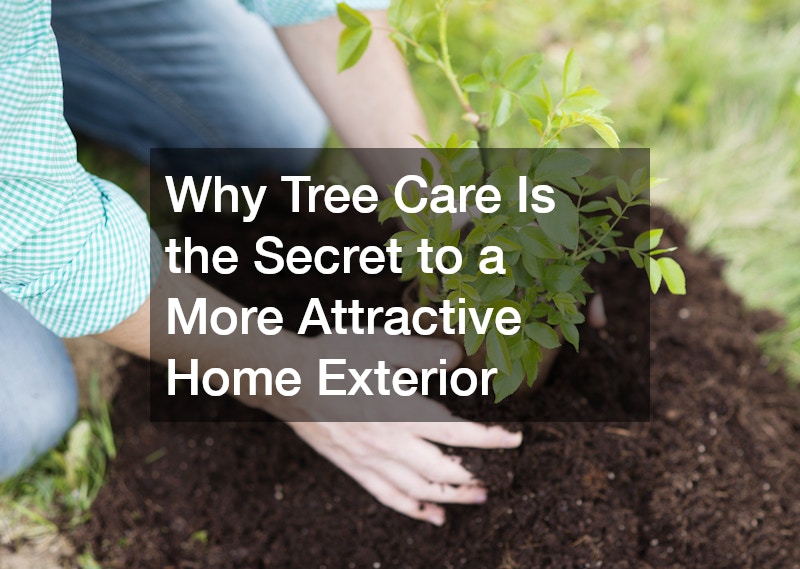
When homeowners think about improving curb appeal, they often jump straight to repainting siding, updating outdoor lighting, or installing new landscaping features. While those upgrades can certainly make a difference, they only tell part of the story. Trees, often the largest and most visually dominant elements in a yard, have a powerful influence on how a home looks and feels from the outside. When properly maintained, they frame your home, create depth, and bring balance to the entire property.
On the flip side, neglected trees can quickly overshadow even the most carefully designed exterior. Overgrown branches, thinning canopies, or poorly placed growth can make a home feel hidden, unkempt, or even unsafe. The key is not simply having trees, but caring for them intentionally. With the right strategies, tree care becomes one of the most effective and impactful ways to enhance your home’s exterior and create a lasting impression.
Evaluating the Health and Structure of Your Trees First
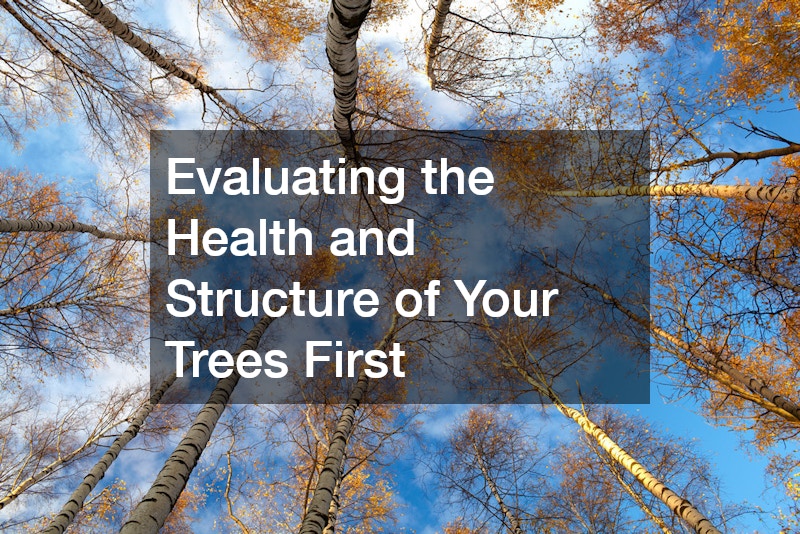
Before making any visual improvements, it’s essential to understand the current condition of your trees. A healthy tree contributes to a vibrant landscape, while an unhealthy one can quietly detract from your home’s overall appearance. Start by examining visible signs such as leaf color, branch density, and trunk condition. Discoloration, brittle limbs, or peeling bark can all indicate underlying problems that require attention.
Beyond surface-level observations, it’s important to consider the structural integrity of each tree. A tree with uneven growth, heavy leaning, or weak branch attachments may pose both aesthetic and safety concerns. These issues often worsen over time, making early identification critical. Partnering with local landscapers can help you evaluate how each tree fits into your overall yard design while also identifying problem areas you may not notice on your own.
In addition, the condition of your lawn and surrounding greenery plays a role in how your trees perform. Soil quality, drainage, and nutrient levels all influence root health and stability. Many homeowners overlook this connection, but lawn care companies can provide insight into how turf conditions may be affecting tree growth. When trees and lawns are managed together, the entire landscape benefits from a more cohesive and polished appearance.
Taking the time to properly evaluate your trees allows you to make informed decisions moving forward. Instead of reacting to visible problems, you can take a proactive approach that improves both health and aesthetics. This foundational step ensures that every improvement you make has a lasting impact.
Pruning for Shape, Safety, and Better Growth Patterns
Pruning is one of the most effective ways to enhance the appearance of your trees while also supporting their long-term health. Strategic pruning removes weak, dead, or overcrowded branches, allowing the tree to direct its energy toward stronger growth. This not only improves structural stability but also creates a more balanced and visually appealing shape.
A well-pruned tree allows light to pass through its canopy, which can dramatically improve the look of your yard. Sunlight filtering through branches creates depth and contrast, highlighting both the tree and the surrounding landscape. It also benefits grass and other plants below, helping them grow more evenly. For homeowners aiming to elevate curb appeal, proper pruning is a simple yet powerful tool.
However, pruning is not just about cutting branches — it requires precision and knowledge. Improper cuts can lead to disease, poor growth patterns, or long-term damage. This is why many homeowners turn to a professional tree cutting service for guidance. For larger or more complex projects, a full tree service can assess the tree’s condition and determine the most effective pruning strategy.
To get the best results from pruning, consider the following practices:
- Focus on removing dead or damaged branches first
- Avoid cutting too much at once, which can stress the tree
- Maintain a natural shape rather than forcing symmetry
- Trim branches that cross or rub against each other
- Schedule pruning during the appropriate season for each species
These steps help ensure that your trees remain healthy while enhancing their natural beauty. Consistent pruning not only improves appearance but also reduces the likelihood of future problems, making it a key part of any tree care plan.
Removing Dead or Hazardous Trees Before They Impact Appearance
While preserving trees is often the goal, there are situations where removal becomes necessary. Dead or severely damaged trees can significantly detract from your home’s appearance. They often stand out in a negative way, creating an unbalanced and neglected look that affects the entire property.
In addition to aesthetic concerns, hazardous trees pose serious safety risks. Weak branches can fall unexpectedly, and unstable trunks may collapse during storms or high winds. Recognizing the warning signs— such as hollow sections, extensive decay, or large dead limbs — is essential for protecting both your home and your family.
When removal is the best option, working with professionals who handle local tree removal ensures the process is carried out safely and efficiently. In cases where multiple trees need to be addressed, coordinated local tree removals can help restore balance to the landscape and create a cleaner, more open environment.
Removing problematic trees also opens up new possibilities for your outdoor space. It allows for better light distribution, improved airflow, and the opportunity to introduce new, healthier plantings. While it may feel like a loss initially, removing the right tree can dramatically improve the overall look and functionality of your yard.
Managing Overgrowth to Highlight Your Home’s Features

Overgrown trees can quickly dominate a property, obscuring architectural details and making a home feel hidden or crowded. Managing this growth is essential for creating a balanced and visually appealing exterior. By trimming back excess branches, you can reveal key features such as windows, entryways, and unique design elements that deserve to be seen.
Controlling overgrowth also improves the overall flow of your landscape. When trees are properly spaced and shaped, they create a sense of order and intentionality. This makes your yard feel more inviting and easier to navigate. It also allows other elements — such as flower beds, pathways, and outdoor seating areas — to stand out.
In more extensive cases, managing overgrowth may require larger-scale solutions. For heavily wooded properties, controlled tree logging can help clear space and improve visibility. For more detailed shaping and selective removal, a specialized tree service can refine the landscape while preserving its natural character.
Here are some practical ways to manage overgrowth effectively:
- Trim branches that block windows or doors
- Maintain consistent spacing between trees
- Remove excess growth that crowds healthy branches
- Shape canopies to allow light penetration
- Keep driveways and walkways clear
These steps help create a cleaner, more organized appearance while enhancing the functionality of your outdoor space. Managing overgrowth ensures that your home remains the focal point, rather than being overshadowed by surrounding trees.
Balancing Trees with Hardscape Elements for a Polished Look
A well-designed exterior blends natural and structural elements seamlessly. Trees should complement features like patios, walkways, and walls — not interfere with them. When this balance is achieved, your property feels cohesive and thoughtfully planned.
However, as trees grow, their roots and branches can begin to impact nearby structures. Roots may push against walkways or walls, causing cracks and uneven surfaces. Branches can scrape against siding or block important pathways. These issues not only affect appearance but can also lead to costly repairs if left unaddressed.
Regular inspections can help you identify potential conflicts early. When tree growth begins to impact built elements, hardscape maintenance may be necessary to restore both function and aesthetics. Addressing these issues promptly prevents further damage and keeps your outdoor space looking polished.
By maintaining a balance between trees and hardscape features, you create a landscape that feels intentional and well-maintained. This harmony enhances curb appeal and ensures that every element works together to support your home’s overall design.
Creating a Seasonal Maintenance Plan That Keeps Trees Looking Their Best
Tree care is an ongoing process that changes with the seasons. Each time of year presents unique challenges and opportunities for maintaining the health and appearance of your trees. Developing a seasonal maintenance plan helps ensure that no aspect of care is overlooked.
Spring is ideal for inspecting winter damage and encouraging new growth, while summer focuses on hydration and pest management. Fall provides an opportunity to prepare trees for colder weather, and winter is a time to monitor structural stability. Staying consistent with these tasks keeps your trees in top condition year-round.
Working with a professional tree service can help you stay on track with seasonal care. Additionally, lawn care companies can support the surrounding landscape, ensuring that your entire yard remains cohesive and well-maintained.
A simple seasonal checklist might include:
- Inspecting for damage after major weather events
- Pruning as needed for health and shape
- Monitoring soil moisture and adjusting watering
- Removing debris and fallen leaves
- Preparing trees for seasonal changes
Improving Soil and Root Conditions for Healthier Growth
Healthy trees begin with strong roots, and strong roots depend on quality soil. Without proper nutrients, drainage, and aeration, trees can struggle to grow and maintain their appearance. Poor soil conditions often lead to weak growth, sparse foliage, and increased vulnerability to disease.
Improving soil health involves a combination of techniques, including mulching, proper watering, and occasional aeration. These practices help ensure that roots receive the oxygen and nutrients they need to thrive. Over time, healthier soil leads to stronger, more resilient trees that contribute positively to your landscape.
In some cases, professional guidance can make a significant difference. Local landscapers can assess soil conditions and recommend targeted improvements. By addressing these underlying factors, you can reduce the need for frequent interventions from a tree cutting service, allowing your trees to grow more naturally and maintain their shape with less effort.
Enhancing Outdoor Lighting and Visibility Around Trees
Outdoor lighting is an often-overlooked element that can dramatically enhance the appearance of your trees. Strategic lighting highlights unique shapes, textures, and focal points, adding depth and visual interest to your landscape. It also improves safety by illuminating pathways and reducing dark areas around your home.
Before installing lighting, it’s important to ensure that your trees are properly maintained. Overgrown branches can block light or create uneven illumination. Preparing trees for lighting may involve trimming or shaping, which is where a specialized tree service can provide valuable assistance. For ongoing maintenance, a professional tree service ensures that growth doesn’t interfere with your lighting design.
Preventing Structural Damage to Nearby Features
As trees grow, their roots and branches can impact nearby structures in unexpected ways. Driveways, foundations, and retaining walls are particularly vulnerable to damage caused by expanding root systems. Recognizing these risks early is essential for maintaining both the appearance and integrity of your property.
Signs of potential issues include cracks in walls, uneven surfaces, or shifting structures. These problems often develop gradually, making regular inspections important. In some cases, retaining wall repair may be necessary to address damage caused by tree growth. When the risk becomes too great, local tree removal may be the best solution to prevent further complications.
Knowing When Professional Help Makes the Biggest Difference
While many tree care tasks can be handled independently, there are times when professional expertise is essential. Complex projects such as large-scale pruning, tree removal, or disease management require specialized knowledge and equipment. Attempting these tasks without proper experience can lead to safety risks and unintended damage.
Understanding when to seek help is a key part of maintaining your landscape. Larger projects often benefit from coordinated local tree removals, especially when multiple trees or challenging conditions are involved. A comprehensive tree service can provide the expertise needed to handle these situations efficiently and safely.
Working with professionals ensures that your trees receive the care they need while protecting your property. Their experience allows them to identify issues quickly and implement effective solutions, helping you maintain a beautiful and functional outdoor space.
Tree care is one of the most impactful ways to enhance your home’s exterior, yet it’s often overlooked in favor of more obvious upgrades. By focusing on the health, structure, and placement of your trees, you can create a landscape that feels balanced, intentional, and visually appealing. Every step, from pruning to soil improvement, contributes to a stronger and more attractive outdoor space.
When homeowners think about improving curb appeal, they often jump straight to repainting siding, updating outdoor lighting, or installing new landscaping features. While those upgrades can certainly make a difference, they only tell part of the story. Trees, often the largest and most visually dominant elements in a yard, have a powerful influence on how a home looks and feels from the outside. When properly maintained, they frame your home, create depth, and bring balance to the entire property.
On the flip side, neglected trees can quickly overshadow even the most carefully designed exterior. Overgrown branches, thinning canopies, or poorly placed growth can make a home feel hidden, unkempt, or even unsafe. The key is not simply having trees, but caring for them intentionally. With the right strategies, tree care becomes one of the most effective and impactful ways to enhance your home’s exterior and create a lasting impression.
Evaluating the Health and Structure of Your Trees First
Before making any visual improvements, it’s essential to understand the current condition of your trees. A healthy tree contributes to a vibrant landscape, while an unhealthy one can quietly detract from your home’s overall appearance. Start by examining visible signs such as leaf color, branch density, and trunk condition. Discoloration, brittle limbs, or peeling bark can all indicate underlying problems that require attention.
Beyond surface-level observations, it’s important to consider the structural integrity of each tree. A tree with uneven growth, heavy leaning, or weak branch attachments may pose both aesthetic and safety concerns. These issues often worsen over time, making early identification critical. Partnering with local landscapers can help you evaluate how each tree fits into your overall yard design while also identifying problem areas you may not notice on your own.
In addition, the condition of your lawn and surrounding greenery plays a role in how your trees perform. Soil quality, drainage, and nutrient levels all influence root health and stability. Many homeowners overlook this connection, but lawn care companies can provide insight into how turf conditions may be affecting tree growth. When trees and lawns are managed together, the entire landscape benefits from a more cohesive and polished appearance.
Taking the time to properly evaluate your trees allows you to make informed decisions moving forward. Instead of reacting to visible problems, you can take a proactive approach that improves both health and aesthetics. This foundational step ensures that every improvement you make has a lasting impact.
Pruning for Shape, Safety, and Better Growth Patterns
Pruning is one of the most effective ways to enhance the appearance of your trees while also supporting their long-term health. Strategic pruning removes weak, dead, or overcrowded branches, allowing the tree to direct its energy toward stronger growth. This not only improves structural stability but also creates a more balanced and visually appealing shape.
A well-pruned tree allows light to pass through its canopy, which can dramatically improve the look of your yard. Sunlight filtering through branches creates depth and contrast, highlighting both the tree and the surrounding landscape. It also benefits grass and other plants below, helping them grow more evenly. For homeowners aiming to elevate curb appeal, proper pruning is a simple yet powerful tool.
However, pruning is not just about cutting branches — it requires precision and knowledge. Improper cuts can lead to disease, poor growth patterns, or long-term damage. This is why many homeowners turn to a professional tree cutting service for guidance. For larger or more complex projects, a full tree service can assess the tree’s condition and determine the most effective pruning strategy.
To get the best results from pruning, consider the following practices:
- Focus on removing dead or damaged branches first
- Avoid cutting too much at once, which can stress the tree
- Maintain a natural shape rather than forcing symmetry
- Trim branches that cross or rub against each other
- Schedule pruning during the appropriate season for each species
These steps help ensure that your trees remain healthy while enhancing their natural beauty. Consistent pruning not only improves appearance but also reduces the likelihood of future problems, making it a key part of any tree care plan.
Removing Dead or Hazardous Trees Before They Impact Appearance
While preserving trees is often the goal, there are situations where removal becomes necessary. Dead or severely damaged trees can significantly detract from your home’s appearance. They often stand out in a negative way, creating an unbalanced and neglected look that affects the entire property.
In addition to aesthetic concerns, hazardous trees pose serious safety risks. Weak branches can fall unexpectedly, and unstable trunks may collapse during storms or high winds. Recognizing the warning signs— such as hollow sections, extensive decay, or large dead limbs — is essential for protecting both your home and your family.
When removal is the best option, working with professionals who handle local tree removal ensures the process is carried out safely and efficiently. In cases where multiple trees need to be addressed, coordinated local tree removals can help restore balance to the landscape and create a cleaner, more open environment.
Removing problematic trees also opens up new possibilities for your outdoor space. It allows for better light distribution, improved airflow, and the opportunity to introduce new, healthier plantings. While it may feel like a loss initially, removing the right tree can dramatically improve the overall look and functionality of your yard.
Managing Overgrowth to Highlight Your Home’s Features
Overgrown trees can quickly dominate a property, obscuring architectural details and making a home feel hidden or crowded. Managing this growth is essential for creating a balanced and visually appealing exterior. By trimming back excess branches, you can reveal key features such as windows, entryways, and unique design elements that deserve to be seen.
Controlling overgrowth also improves the overall flow of your landscape. When trees are properly spaced and shaped, they create a sense of order and intentionality. This makes your yard feel more inviting and easier to navigate. It also allows other elements — such as flower beds, pathways, and outdoor seating areas — to stand out.
In more extensive cases, managing overgrowth may require larger-scale solutions. For heavily wooded properties, controlled tree logging can help clear space and improve visibility. For more detailed shaping and selective removal, a specialized tree service can refine the landscape while preserving its natural character.
Here are some practical ways to manage overgrowth effectively:
- Trim branches that block windows or doors
- Maintain consistent spacing between trees
- Remove excess growth that crowds healthy branches
- Shape canopies to allow light penetration
- Keep driveways and walkways clear
These steps help create a cleaner, more organized appearance while enhancing the functionality of your outdoor space. Managing overgrowth ensures that your home remains the focal point, rather than being overshadowed by surrounding trees.
Balancing Trees with Hardscape Elements for a Polished Look
A well-designed exterior blends natural and structural elements seamlessly. Trees should complement features like patios, walkways, and walls — not interfere with them. When this balance is achieved, your property feels cohesive and thoughtfully planned.
However, as trees grow, their roots and branches can begin to impact nearby structures. Roots may push against walkways or walls, causing cracks and uneven surfaces. Branches can scrape against siding or block important pathways. These issues not only affect appearance but can also lead to costly repairs if left unaddressed.
Regular inspections can help you identify potential conflicts early. When tree growth begins to impact built elements, hardscape maintenance may be necessary to restore both function and aesthetics. Addressing these issues promptly prevents further damage and keeps your outdoor space looking polished.
By maintaining a balance between trees and hardscape features, you create a landscape that feels intentional and well-maintained. This harmony enhances curb appeal and ensures that every element works together to support your home’s overall design.
Creating a Seasonal Maintenance Plan That Keeps Trees Looking Their Best
Tree care is an ongoing process that changes with the seasons. Each time of year presents unique challenges and opportunities for maintaining the health and appearance of your trees. Developing a seasonal maintenance plan helps ensure that no aspect of care is overlooked.
Spring is ideal for inspecting winter damage and encouraging new growth, while summer focuses on hydration and pest management. Fall provides an opportunity to prepare trees for colder weather, and winter is a time to monitor structural stability. Staying consistent with these tasks keeps your trees in top condition year-round.
Working with a professional tree service can help you stay on track with seasonal care. Additionally, lawn care companies can support the surrounding landscape, ensuring that your entire yard remains cohesive and well-maintained.
A simple seasonal checklist might include:
- Inspecting for damage after major weather events
- Pruning as needed for health and shape
- Monitoring soil moisture and adjusting watering
- Removing debris and fallen leaves
- Preparing trees for seasonal changes
Improving Soil and Root Conditions for Healthier Growth
Healthy trees begin with strong roots, and strong roots depend on quality soil. Without proper nutrients, drainage, and aeration, trees can struggle to grow and maintain their appearance. Poor soil conditions often lead to weak growth, sparse foliage, and increased vulnerability to disease.
Improving soil health involves a combination of techniques, including mulching, proper watering, and occasional aeration. These practices help ensure that roots receive the oxygen and nutrients they need to thrive. Over time, healthier soil leads to stronger, more resilient trees that contribute positively to your landscape.
In some cases, professional guidance can make a significant difference. Local landscapers can assess soil conditions and recommend targeted improvements. By addressing these underlying factors, you can reduce the need for frequent interventions from a tree cutting service, allowing your trees to grow more naturally and maintain their shape with less effort.
Enhancing Outdoor Lighting and Visibility Around Trees
Outdoor lighting is an often-overlooked element that can dramatically enhance the appearance of your trees. Strategic lighting highlights unique shapes, textures, and focal points, adding depth and visual interest to your landscape. It also improves safety by illuminating pathways and reducing dark areas around your home.
Before installing lighting, it’s important to ensure that your trees are properly maintained. Overgrown branches can block light or create uneven illumination. Preparing trees for lighting may involve trimming or shaping, which is where a specialized tree service can provide valuable assistance. For ongoing maintenance, a professional tree service ensures that growth doesn’t interfere with your lighting design.
Preventing Structural Damage to Nearby Features
As trees grow, their roots and branches can impact nearby structures in unexpected ways. Driveways, foundations, and retaining walls are particularly vulnerable to damage caused by expanding root systems. Recognizing these risks early is essential for maintaining both the appearance and integrity of your property.
Signs of potential issues include cracks in walls, uneven surfaces, or shifting structures. These problems often develop gradually, making regular inspections important. In some cases, retaining wall repair may be necessary to address damage caused by tree growth. When the risk becomes too great, local tree removal may be the best solution to prevent further complications.
Knowing When Professional Help Makes the Biggest Difference
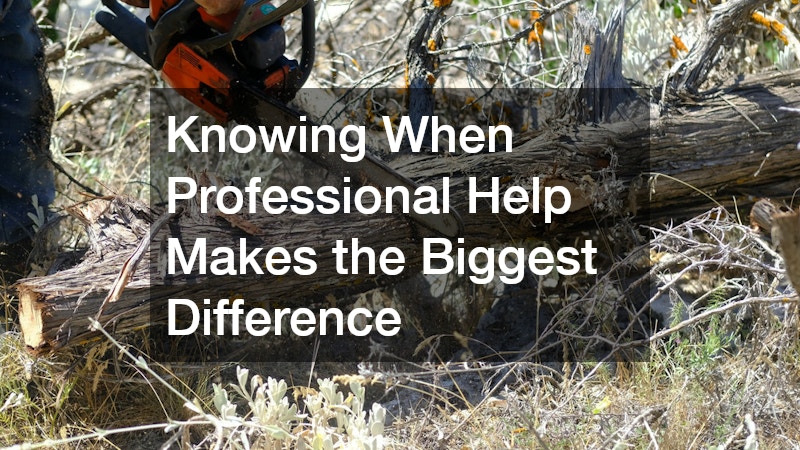
While many tree care tasks can be handled independently, there are times when professional expertise is essential. Complex projects such as large-scale pruning, tree removal, or disease management require specialized knowledge and equipment. Attempting these tasks without proper experience can lead to safety risks and unintended damage.
Understanding when to seek help is a key part of maintaining your landscape. Larger projects often benefit from coordinated local tree removals, especially when multiple trees or challenging conditions are involved. A comprehensive tree service can provide the expertise needed to handle these situations efficiently and safely.
Working with professionals ensures that your trees receive the care they need while protecting your property. Their experience allows them to identify issues quickly and implement effective solutions, helping you maintain a beautiful and functional outdoor space.
Tree care is one of the most impactful ways to enhance your home’s exterior, yet it’s often overlooked in favor of more obvious upgrades. By focusing on the health, structure, and placement of your trees, you can create a landscape that feels balanced, intentional, and visually appealing. Every step, from pruning to soil improvement, contributes to a stronger and more attractive outdoor space.