Not every backyard project pays off equally when it comes time to sell or simply enjoy a higher-value property. Homeowners often pour money into upgrades based on trends rather than actual return on investment, leaving them disappointed when appraisals or buyer interest fall short. This guide breaks down which backyard improvements genuinely move the needle financially, so you can prioritize spending with confidence. Whether you have a modest budget or a larger renovation fund, understanding where your money works hardest outdoors will help you make smarter decisions.
Building a Patio That Pays You Back
Few outdoor additions offer the combination of everyday usability and resale appeal that a well-built patio provides. Buyers consistently respond to defined outdoor living areas because they signal move-in-ready enjoyment rather than a project waiting to happen. A simple concrete or paver patio typically recoups a strong percentage of its cost, especially when it connects logically to the home’s back door or kitchen area.
The size and material of your patio matter more than flashy extras. A modest 200 to 300 square foot space with durable, low-maintenance material often outperforms an oversized area that feels disconnected from the house.
- Choose materials like pavers or natural stone for long-term durability
- Keep the patio proportional to your yard and home size
- Add basic seating areas rather than built-in features that limit flexibility
- Ensure proper drainage during installation to avoid future repairs
Why Outdoor Living Spaces Add Value
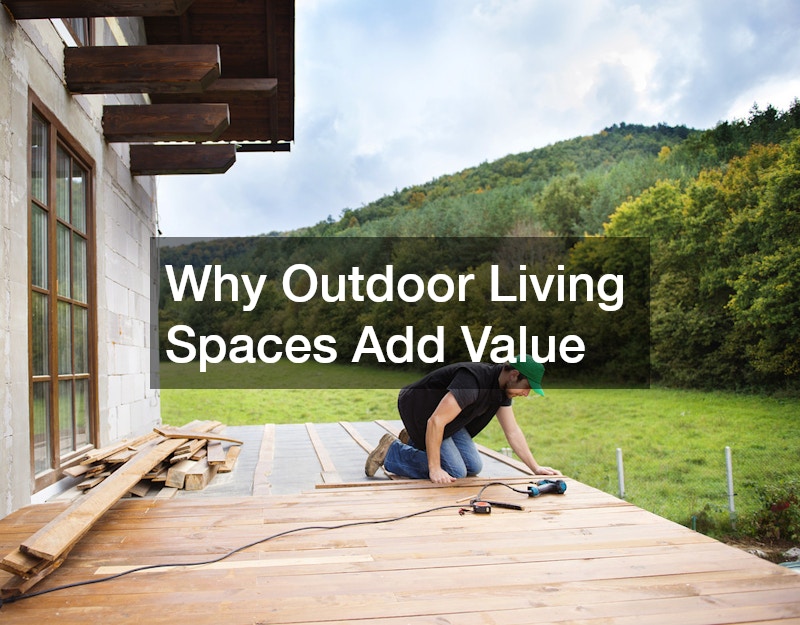
Beyond a single patio, thoughtfully designed outdoor living spaces create a sense of extended square footage that buyers are willing to pay for. Real estate appraisers often note that a functional outdoor room can effectively add 10-15% to a home’s perceived living area, even though it isn’t heated or cooled square footage. This is where hardscaping plays a central role, tying together walkways, retaining walls, fire pits, and seating zones into one cohesive design.
The materials chosen matter just as much as the layout. Natural stone and stamped concrete tend to outperform basic poured slabs in resale value, since they read as permanent, higher-end features rather than DIY additions. A well-planned paver patio, for instance, can cost $15-$25 per square foot installed but often returns 80% or more of that investment at sale.
Well-executed hardscaping also reduces the perception of yard maintenance burden while increasing the usable footprint of the property. Defined zones for dining, lounging, and fire features signal to buyers that the space is move-in ready, eliminating the guesswork of “what would I even do with this yard.”
Homeowners sometimes assume hardscaping is purely aesthetic, but it also solves practical problems like erosion, poor drainage, and uneven terrain. Retaining walls, French drains, and properly graded patios redirect water away from the foundation, preventing the kind of soil saturation that leads to cracked slabs or basement leaks down the road.
Addressing these issues through structural upgrades protects the home’s foundation and landscaping investment over time, which appraisers and buyers both notice. A sloped or soggy backyard can knock thousands off a home’s perceived value, while a level, well-drained lot signals fewer hidden repair costs to a prospective buyer.
Permeable pavers and gravel bases also reduce runoff into neighboring properties or storm drains, a detail some municipalities increasingly factor into inspections. Beyond function, these upgrades typically cost far less to install proactively than to repair reactively — regrading and drainage fixes after erosion damage often run two to three times higher than doing it right the first time.
Choosing the Right Professional for Structural Work
Any upgrade involving foundational changes, permits, or multiple trades benefits from oversight by a general contractor rather than piecing the project together yourself. A qualified contractor coordinates timelines, ensures local code compliance, and can spot structural issues before they become expensive problems. This is especially important for larger backyard projects that combine decking, retaining walls, or covered structures.
Homeowners should always request references and verify licensing before hiring for structural backyard work. A few extra days spent vetting a contractor upfront can prevent months of delays or costly rework later.
- Ask for three recent local project references
- Confirm licensing and insurance coverage
- Get a detailed written estimate before work begins
- Clarify who handles permit applications
Roof Condition and Curb Appeal
While it may seem unrelated to backyard upgrades, roof condition directly affects how buyers perceive the overall value and safety of a property, including outdoor living areas beneath or near roof overhangs. A sagging or aging roof can distract from even the best-designed patio or garden space. Consulting a roofing company before undertaking major backyard renovations ensures water runoff and drainage from the roof won’t undermine new hardscaping or patio work.
This is particularly relevant for homeowners adding covered outdoor structures like pergolas or patio roofs, where integration with the existing roofline matters. Getting a professional assessment early prevents costly rework once landscaping is complete.
Smart Landscaping Choices That Boost ROI
Landscaping remains one of the most cost-effective ways to increase property value, often returning more per dollar spent than larger structural projects. Working with a landscaping service to plan plant placement, mulch beds, and seasonal color can transform a yard’s first impression without requiring a full redesign. Buyers consistently rate curb appeal as a top factor in their initial interest, and healthy, well-maintained landscaping signals a cared-for home.
For more ambitious layouts, bringing in a landscape designer early in the planning process helps avoid costly mistakes like poor plant selection for the climate or overcrowded beds that require constant upkeep. A designer can also balance aesthetics with practical maintenance needs, ensuring the yard looks good years down the road, not just at installation.
- Focus on native or drought-tolerant plants for lower long-term costs
- Group plantings by water and sunlight needs
- Add mulch beds to reduce weed growth and improve appearance
- Avoid overly trendy layouts that may look dated quickly
Keeping Trees Healthy and Safe
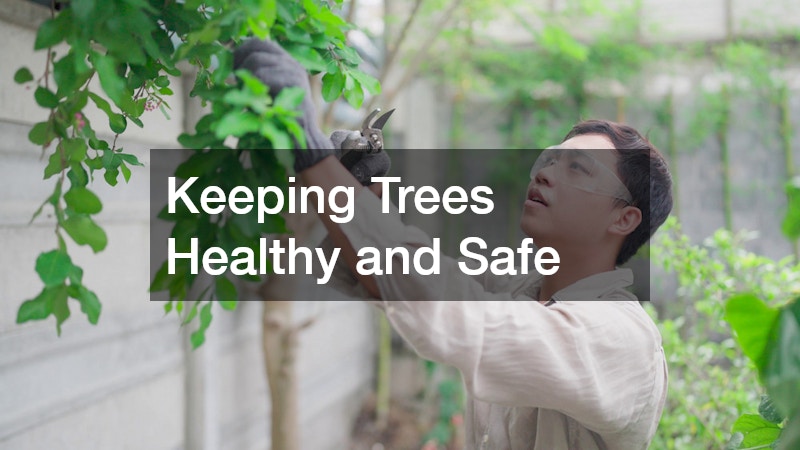
Mature trees can add thousands of dollars to a home’s resale value, with some appraisers estimating a well-maintained tree canopy boosts curb appeal assessments by 10-15%. That value only holds up, however, when trees are healthy and properly maintained. Overgrown or damaged branches pose real safety risks, from falling limbs during storms to obstructed sightlines near driveways, and they can quickly detract from the yard’s overall appearance.
Regular tree trimming, ideally performed once or twice a year depending on species and growth rate, should be a standing part of any long-term backyard plan. Removing deadwood and thinning dense canopies also reduces the strain on trees during high winds, lowering the odds of costly storm damage.
Trimming has benefits beyond the trees themselves. Improved sunlight penetration helps lawns and garden beds thrive underneath, while better airflow through the canopy reduces fungal disease risk. These effects indirectly support other landscaping investments, making tree care one of the more cost-effective upgrades a homeowner can budget for.
Neglected trees can become liabilities rather than assets, especially if branches threaten structures, power lines, or property lines. A single fallen limb can cause thousands of dollars in roof or siding damage, so proactive maintenance is far cheaper than emergency repairs.
Scheduling periodic trimming, particularly after storms or seasonal growth spurts, protects both the tree’s health and the surrounding landscape investment. Most mature trees benefit from professional pruning every two to three years, while faster-growing species may need annual attention.
Hiring a certified arborist for an inspection, typically $150 to $300, can catch issues like root rot, pest infestation, or structural weakness before they become costly hazards. Well-maintained, healthy trees also boost curb appeal and can add meaningfully to a home’s resale value, making this upkeep a smart long-term investment.
Efficient Watering Systems
Consistent, efficient watering is essential for keeping lawns and garden beds looking their best, which directly supports the return on any landscaping upgrade. Installing a sprinkler system takes the guesswork out of watering schedules and reduces water waste compared to manual hose watering, often cutting outdoor water use by 20-30% according to industry estimates. Modern systems can be zoned to match different plant needs, preventing overwatering in some areas and underwatering in others.
A basic in-ground sprinkler system typically costs $2,500 to $4,500 to install, while smart, Wi-Fi-enabled controllers that adjust watering based on local weather data can add a few hundred dollars but pay for themselves quickly through lower utility bills. Homeowners with mixed landscaping should consider drip irrigation for flower beds and shrubs paired with traditional spray heads for turf areas.
This kind of targeted watering not only keeps plants healthier but also signals to prospective buyers that the yard has been professionally maintained, a detail that can meaningfully boost curb appeal and resale value.
Buyers often view an installed irrigation setup as a convenience feature that saves them time and money, making it a practical addition rather than a luxury. A basic zoned sprinkler system typically costs $2,500 to $4,000 to install, while a drip irrigation setup for garden beds can run as little as $500 to $1,500, and both are frequently recovered at resale through faster sales and stronger offers.
Even a modest drip or sprinkler configuration can noticeably improve plant health and lawn consistency over a single growing season, since consistent watering reduces brown patches and plant loss. Smart controllers that adjust schedules based on weather and soil moisture add another selling point, often cutting water usage by 20% to 30% while appealing to buyers who value lower utility bills.
Sourcing Materials Wisely
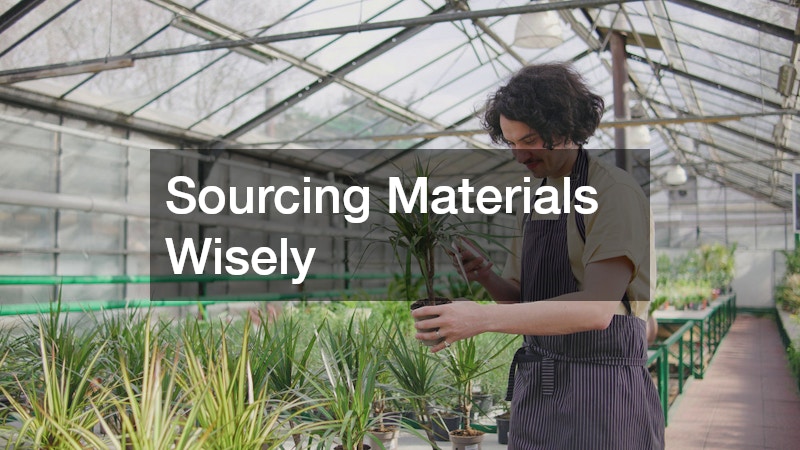
The cost and quality of materials used in backyard projects significantly affect both the finished look and long-term durability. Shopping around for landscaping supplies, from mulch and soil amendments to pavers and edging, can save homeowners hundreds of dollars without sacrificing quality. Bulk purchasing for larger projects often reduces per-unit costs substantially compared to buying smaller quantities repeatedly.
It’s worth comparing local suppliers against big box stores, since specialty suppliers sometimes offer better quality stone, soil, or plants suited to regional conditions. Taking time to source materials thoughtfully prevents the need for early replacement or repair, which protects the overall investment.
- Compare pricing between local suppliers and larger retailers
- Ask about bulk discounts for soil, mulch, or stone
- Check material warranties before purchasing
- Choose regionally appropriate products to reduce future replacement costs
Ongoing Care That Protects Your Investment
Even the best backyard upgrades lose value quickly without consistent upkeep. Regular lawn maintenance, including mowing, aeration, and fertilization, keeps the yard looking polished and prevents small issues from becoming expensive problems. Most lawns benefit from aeration once a year and fertilization three to four times per season, which helps grass resist drought, weeds, and disease.
Hardscaping features need their own attention, even though they seem more durable than plantings. Sealing a patio every two to three years protects it from cracking, staining, and freeze-thaw damage, while occasional weeding between pavers keeps walkways and retaining walls looking intentional rather than neglected. Wood elements like pergolas or decks also need periodic staining or sealing to resist rot and sun damage.
A well-maintained lawn also serves as the visual foundation that makes patios, garden beds, and hardscaping features stand out. Skipping routine care doesn’t just hurt curb appeal; it can shave thousands off resale value, since buyers often assume neglected landscaping signals deferred maintenance elsewhere in the home. Setting aside a modest seasonal budget for upkeep, often just a few hundred dollars a year, is far cheaper than repairing or replacing features that were allowed to deteriorate.
Homeowners planning to sell within a few years should treat maintenance as part of their ROI strategy, not an afterthought. Consistent care signals to buyers that the entire property, not just the upgrades, has been properly looked after.
Simple, scheduled tasks make the biggest difference for the least cost. Resealing a wood deck every one to two years (roughly $100-$300 in materials for a DIY job) prevents graying and rot that can erase thousands in resale value. Cleaning gutters twice a year, patching cracked patio grout, and touching up fence stain are similarly low-cost habits that keep upgrades looking new.
Neglect compounds quickly outdoors, since sun, moisture, and freeze-thaw cycles wear on materials faster than interior finishes. A pergola with peeling paint or a stamped-concrete patio riddled with weeds can make an otherwise valuable upgrade look like a liability during a walkthrough. Budgeting even $300-$500 annually for backyard upkeep helps ensure the space still commands a premium when it’s time to list.
Strategic backyard upgrades can meaningfully increase property value, but only when the right projects are prioritized and properly maintained over time. Focus first on high-impact, durable improvements like patios, thoughtful landscaping, and structural integrity before considering more decorative extras. Taking a measured, well-researched approach ensures your outdoor investment pays off both in daily enjoyment and future resale value.