
Most expensive home disasters do not happen overnight. They start small, as a faint water stain, a slow drain, a hairline crack, or a spongy step, and grow quietly until the fix requires a second mortgage. The good news is that the warning signs are almost always visible well before the damage becomes catastrophic, if you know where to look. This article walks through the everyday trouble spots around your home and yard where a modest investment today can save you tens of thousands of dollars tomorrow.
Watch for Early Signs of Plumbing Trouble
Water damage is one of the most common causes of five-figure repair bills, and it almost always starts with a small, ignorable symptom. A faint hiss behind a wall, a slowly rising water bill, or a cabinet that smells musty are all signals that something is wrong behind the scenes. Catching these issues early means dealing with a single pipe instead of replacing drywall, flooring, and cabinetry after months of hidden leaking.
Calling a plumber at the first sign of trouble is far cheaper than waiting for a pipe to burst. A professional can pressure test your lines, check water heater connections, and spot corrosion before it turns into a flood. Many plumbers also offer annual inspections that catch small issues long before they become emergencies.
- Check under sinks monthly for moisture or discoloration
- Monitor your water bill for unexplained spikes
- Listen for running water when no fixtures are in use
- Replace supply lines every 5 to 10 years as a preventive measure
Keep Your Yard Graded and Drained Properly
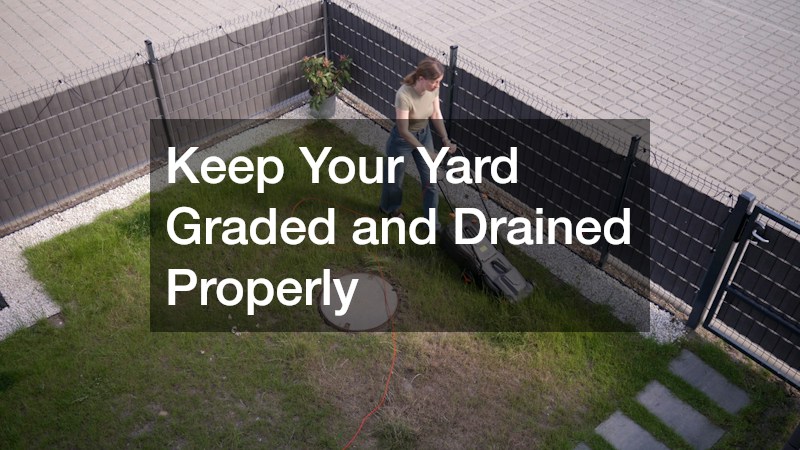
Landscaping is not just about curb appeal; it plays a direct role in protecting your foundation from water intrusion. When soil slopes toward your home instead of away from it, every rainstorm pushes water against your foundation walls, eventually leading to cracks, basement flooding, or structural settling. Regrading a yard while the problem is minor costs a fraction of what foundation underpinning or waterproofing will run later.
Routine lawn care services can actually help you catch these problems early, since a professional working in your yard regularly will notice pooling water, eroding soil, or dying patches of grass that indicate drainage issues. They can also recommend aeration or regrading before standing water becomes a bigger structural concern. Investing in consistent yard maintenance is a small price compared to the cost of foundation repair.
- Make sure soil slopes away from the foundation at a gentle grade
- Clear gutters and downspouts so water discharges away from the house
- Watch for soggy spots that never seem to dry out
- Consider a French drain if standing water is a recurring issue
Install Handrails Before Someone Gets Hurt
A missing or wobbly handrail seems like a minor cosmetic issue until someone takes a bad fall on the stairs. Beyond the obvious safety risk, an injury on your property can lead to massive medical bills, liability claims, and even lawsuits that dwarf the cost of the fix. Building codes require handrails for a reason, and skipping this detail is one of the most overlooked risks in older homes.
Professional handrail installation typically takes only a few hours and uses hardware rated to support real weight in an emergency grab. This is especially important on exterior steps, decks, and basement stairs where lighting is often poor and falls are more common. Spending a few hundred dollars now is far better than facing a lawsuit or a family member’s injury later.
- Check that railings are secure and do not wobble when pushed
- Make sure handrail height meets local code requirements
- Add rails to any staircase with more than three steps
- Inspect exterior railings yearly for rust or rot
Address Sewer Line Issues Before They Back Up

Tree roots, aging pipes, and ground shifting can all damage the sewer line that connects your home to the municipal system, and the first signs are often subtle. Gurgling drains, slow flushing toilets, or a sudden patch of unusually green grass in the yard can all indicate a cracked or blocked line. Left unaddressed, these small problems can lead to raw sewage backing up into your home, a cleanup that easily runs into five figures.
Sewer lateral repair is far less invasive and expensive when caught early, especially with trenchless repair options that avoid tearing up your entire yard. A camera inspection can pinpoint the exact location and severity of damage, allowing for targeted repairs rather than a full pipe replacement. Homeowners who ignore early symptoms often end up facing emergency excavation, which costs significantly more than a planned repair.
- Watch for slow drains throughout the house, not just one fixture
- Note any sewage odors in the yard or basement
- Schedule a camera inspection if your home is older than 40 years
- Avoid planting trees directly above known sewer lines
Clear Out Renovation Debris the Right Way
Small renovation projects, like replacing a deck or tearing out old flooring, can quickly generate more debris than most people expect. Letting construction waste pile up on your property is not just an eyesore; it can attract pests, create tripping hazards, and even violate local ordinances that result in fines. Managing debris properly from the start keeps a small project from turning into a logistical and financial headache.
Renting a roll off dumpster for even a modest renovation makes cleanup faster and keeps your yard safer during the project. It also discourages the temptation to leave materials sitting out for weeks, which can lead to water damage or mold growth in stored wood and drywall. Planning for proper disposal is a small line item that prevents bigger problems down the road.
- Estimate debris volume before starting a project
- Keep dumpsters away from soft or wet areas of the lawn
- Separate hazardous materials from general construction waste
- Schedule pickup promptly once a project wraps up
Maintain Your Roof Before Small Leaks Spread

A missing shingle or a small flashing gap might not seem urgent, but roofs are one of the most expensive systems to neglect. Water that enters through a tiny gap can travel along rafters and insulation long before it ever shows up as a ceiling stain, meaning the damage is often much worse than it appears. By the time you see a leak indoors, mold and structural rot may already be underway.
Scheduling roof repair as soon as you notice curling shingles, granule loss, or soft spots can save you from a full roof replacement years ahead of schedule. Most roofing professionals recommend an inspection after major storms and at least once a year as routine maintenance. Catching small issues early is almost always a fraction of the cost of repairing water-damaged attic framing or ceiling drywall.
- Inspect shingles after heavy wind or hail events
- Check attic insulation for damp spots after storms
- Clear debris from valleys and gutters regularly
- Address flashing issues around chimneys and vents promptly
Service Your Septic System on a Regular Schedule
Homes on septic systems face a unique set of maintenance needs that, if ignored, can lead to backups, yard flooding, and even contamination of groundwater. Septic systems rely on a careful balance of bacteria and solids, and that balance is thrown off when tanks are allowed to fill beyond capacity. The cost to replace a failed drain field is often tens of thousands of dollars, dwarfing the cost of routine maintenance.
Arranging to pump out septic tank contents every three to five years is one of the simplest ways to extend the life of the entire system. Signs that pumping is overdue include slow drains throughout the house, soggy patches near the drain field, and sewage odors outdoors. A septic professional can also check tank baffles and distribution boxes during service visits to catch small issues before they spread.
- Keep a log of pumping dates for future reference
- Avoid flushing wipes, grease, or chemicals that harm bacteria balance
- Keep heavy vehicles off the drain field area
- Watch for unusually lush or soggy grass over the tank
Check Your Private Well System Annually

Homes relying on a private well depend on a pump that, when it fails without warning, can leave a household without water for days while also risking damage to the pressure tank and plumbing fixtures. Fluctuating water pressure, cloudy water, or a pump that cycles on and off frequently are early signs of trouble worth investigating right away. Ignoring these symptoms often leads to complete pump failure at the worst possible time.
Scheduling well pump service on a yearly basis allows a technician to check pressure settings, inspect the tank for waterlogging, and test water quality before small issues become expensive emergencies. Replacing a pump reactively, especially one buried deep in the well casing, costs significantly more than proactive maintenance. Regular testing also protects your family’s health by catching contamination early.
- Test well water quality at least once a year
- Watch for sputtering faucets or sudden pressure changes
- Keep the wellhead area clear of debris and chemicals
- Replace aging pressure tanks before they fail completely
Repair Driveway Cracks Before Winter Damage Sets In
A few hairline cracks in your driveway might seem purely cosmetic, but water seeping into those cracks and then freezing can cause the damage to spread rapidly. Water expands by about 9% when it turns to ice, and that expansion acts like a wedge, prying the crack wider with every freeze-thaw cycle. In climates that swing above and below freezing throughout winter, this can happen dozens of times in a single season. Once cracks widen and potholes form, the surface becomes a safety hazard and the repair cost climbs significantly. A simple DIY crack filler kit might cost $15 to $30 and take an afternoon to apply, while resurfacing a deteriorated driveway can run $1,500 to $3,000 or more. Full replacement, once the base layer underneath is compromised, often lands in the $5,000 to $10,000 range depending on size and material. Addressing small cracks while they are still minor is one of the most cost-effective maintenance tasks a homeowner can tackle. Fall, before the first hard freeze, is the ideal time to inspect your driveway and fill any cracks wider than an eighth of an inch. Clean out debris, apply a quality asphalt or concrete crack sealant, and let it cure fully per the product instructions before it faces winter moisture.
A hairline crack might seem like nothing more than cosmetic wear, but once water seeps in and freezes, it expands by roughly 9%, turning a quarter-inch gap into a widening fracture within a single winter. Sealcoating and patching are usually enough in the early stages, costing homeowners a few hundred dollars compared to the thousands required for a full redo. But once the base layer is compromised, water undermines the gravel and soil beneath the surface, and full asphalt paving may be the only lasting solution. Scheduling repairs in late spring or summer gives materials time to cure properly before cold weather returns. Asphalt patches generally need several consecutive days of temperatures above 50°F to bond correctly, which makes fall and winter repairs unreliable at best. Crews also have more flexibility in warmer months to address edge cracking, potholes, and drainage issues at the same time, rather than applying a quick fix that won’t hold. Waiting even one more winter season can turn a simple patch job into a complete driveway replacement. What starts as a $300 sealcoating job can escalate into a $5,000–$10,000 repaving project once freeze-thaw cycles work their way down to the base. Inspecting your driveway each spring for new cracks, soft spots, or pooling water is a simple habit that can save you from that costlier outcome.
- Seal cracks wider than a quarter inch as soon as possible; use a pourable crack filler for larger gaps and a squeeze-tube asphalt emulsion for hairline cracks
- Reapply sealcoat every two to three years, ideally in warm, dry weather so it cures properly before rain or frost hits
- Watch for pooling water, which signals drainage problems — standing water that freezes can widen cracks by 10% or more with each freeze-thaw cycle
- Avoid heavy vehicle loads on newly repaired sections for at least 24 to 48 hours to let sealant fully set
- Check expansion joints and edges where the driveway meets the garage or street, since these spots are especially prone to water infiltration
None of these fixes require a huge budget or a complicated project, but each one protects you from a repair bill that could reach five figures if ignored. The common thread is simple: small, consistent attention beats expensive, reactive repairs every time. Walk through your home and yard this weekend with this list in hand, and schedule the inspections or repairs that apply to your situation before the next season puts them to the test.