
Selling your home can quickly turn stressful when a buyer’s inspector finds something you never knew existed. A failed furnace, a hidden plumbing leak, or a crumbling foundation wall can derail negotiations or kill a deal entirely. The good news is that most of these surprises are preventable if you know what to look for before you ever list.
This checklist walks you through the major systems and structures worth checking so you can list with confidence and avoid last-minute price renegotiations.
Inspect Your Home’s Plumbing System for Hidden Leaks
Plumbing problems are among the most common deal-breakers in a home inspection because they often hide behind walls and under floors until it’s too late. Discoloration on ceilings, slow drains, or unusually high water bills can all signal a bigger issue brewing beneath the surface. If your home still has original galvanized or polybutylene pipes, a buyer’s inspector will likely flag them regardless of whether they’re currently leaking.
In homes older than 40 years, full repiping is sometimes the only real long-term fix, and tackling it before listing can prevent a buyer from using it as a bargaining chip. While repiping an entire house is a bigger investment, it often pays for itself by eliminating one of the biggest objections buyers raise during negotiations. A licensed plumber can tell you quickly whether your situation calls for spot repairs or a full overhaul.
Check the Condition of Your Roofing Materials
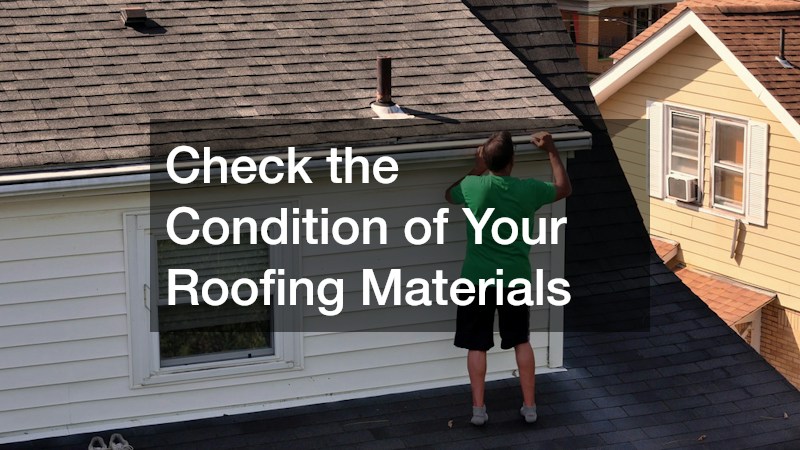
The roof is one of the first things inspectors evaluate because its condition directly impacts insurability and financing. Missing shingles, soft spots, or sagging rooflines are red flags that can stall a sale or trigger a buyer credit request. Even a roof that looks fine from the ground can have underlying issues that only a trained eye will catch.
Getting a professional opinion from roofing companies before you list gives you time to make repairs on your own schedule rather than under pressure during escrow. Some sellers are surprised to learn that what looks like a shingle problem is actually failing roof metal decking underneath, which requires more extensive work than a simple patch. Addressing structural decking issues ahead of time keeps your listing from hitting unexpected snags once a buyer’s inspector gets up on the roof.
Evaluate Your Heating and Cooling Equipment
HVAC systems are a frequent source of buyer concern, especially if the equipment is original to the home or hasn’t been serviced in years. An inspector will note the age of the furnace, check for rust or cracked heat exchangers, and flag any units nearing the end of their expected lifespan. Buyers often use an aging system as leverage to negotiate a credit, even if it’s still functioning normally.
If your furnace is more than 15 years old or has required frequent repairs, consider getting a quote for furnace replacement before listing so you know your options. Sometimes a simple tune-up and new filter is all that’s needed, but other times replacement is the smarter move to avoid a lowball offer later. Either way, having documentation of recent service or a new unit gives buyers peace of mind and strengthens your negotiating position.
Assess Structural Elements Including Walls and Framing

Structural issues are the kind of discovery that can send buyers running, so it’s worth looking closely at your home’s bones before anyone else does. Walk through every room and check for cracks in drywall, especially hairline cracks that radiate from doorways or windows, as these often signal foundation movement rather than simple cosmetic wear. Doors and windows that stick or no longer latch properly, along with uneven or sloping floors, can also point to settling or more serious framing problems.
A simple test is to place a marble or level on different floor sections; noticeable rolling or a reading beyond a slight tolerance may indicate a sagging joist or foundation shift worth investigating further. Outside, inspect the foundation itself for cracks wider than a quarter inch, bowing walls, or gaps where the house meets the ground, since these are often easier to spot than interior symptoms. These signs don’t always mean disaster.
Minor cracking is common in older homes and can result from normal seasonal expansion and contraction. Still, they do warrant a professional look, such as a structural engineer’s assessment, before you list, so you can address concerns proactively or disclose them with documentation that reassures buyers rather than scares them off.
Before listing your home, walk the perimeter and interior with a critical eye for warning signs of structural movement. Stair-step cracks in brick or block, gaps around window and door frames, doors that stick or no longer latch properly, and visibly sloping or bouncy floors are all red flags worth investigating. If you spot any of these, it’s wise to consult a specialist in foundation repair before you ever list the property.
A professional evaluation typically costs a few hundred dollars but can save you from a far costlier surprise during escrow. Common fixes range from simple crack injections and drainage corrections (often a few thousand dollars) to more involved solutions like push piers or helical piers, which can run into the tens of thousands depending on the severity and square footage affected. Knowing the scope and cost upfront lets you decide whether to repair before listing or disclose and price accordingly.
Catching and addressing these issues early also allows you to present documentation of the fix—contractor invoices, warranties, and engineering reports—to prospective buyers. This paperwork trail is far more reassuring than an unresolved crack discovered mid-escrow, which can spook buyers or trigger renegotiation demands at the worst possible moment. A stable, well-documented foundation is one of the strongest selling points you can offer, since it removes a major source of buyer anxiety before it ever surfaces.
Don’t let a fixable problem become a dealbreaker; a modest upfront investment in foundation repair often pays for itself many times over in a smoother sale and a stronger closing price.
Review the Septic System and Drainage Components
For homes not connected to municipal sewer, the septic system is a major point of scrutiny during a sale. Slow drains, soggy patches in the yard, or odors near the tank are all warning signs that something may be failing underground. Buyers in rural or suburban areas with private systems often request a septic inspection as a contingency, so it pays to know your system’s condition in advance.
If your current system is undersized, aging, or failing percolation tests, you may need to look into drain field installation before listing to avoid a failed inspection contingency. This is not a small project, but addressing it proactively prevents the sale from falling apart over a problem that was entirely avoidable. A functioning, well-documented septic system reassures buyers and keeps your closing timeline intact.
Examine Entryways, Garage Doors, and Exterior Access Points

First impressions matter, and the condition of entry doors, garage doors, and other access points often shapes a buyer’s initial reaction before they even step inside. Warped frames, broken weatherstripping, or doors that don’t latch properly are easy fixes that make a noticeable difference in how your home is perceived. These details also come up on inspection reports, so addressing them early avoids last-minute repair requests.
Replacing a worn or damaged front door is a relatively small investment that can meaningfully boost curb appeal and buyer confidence. Similarly, if your garage door is outdated or malfunctioning, a custom garage door installation can modernize the exterior and resolve safety concerns flagged during inspection, such as a missing auto-reverse sensor. Buyers notice these details more than sellers expect, and fixing them ahead of time removes easy points of negotiation.
Plan for Renovations Before You List Your Property
Sometimes a pre-listing inspection reveals that cosmetic fixes aren’t enough and more significant renovation work is needed to make the home market-ready. This is especially true for homes with additions, outdated layouts, or rooms that no longer meet current building codes. A finished basement without proper egress windows, a converted garage lacking permits, or an addition built without inspection sign-off can all raise red flags for buyers and lenders alike. Before committing to any project, weigh the cost of renovation against the potential return.
Kitchen and bathroom updates often recoup 60-80% of their cost at resale, while highly specific or structural changes may offer less payback but remove a dealbreaker for buyers. A contractor or real estate agent familiar with your local market can help you decide which repairs are worth the investment and which ones buyers will simply negotiate around. Timing matters just as much as cost. Permitted work can take weeks or months depending on your city’s approval process, so factor that into your listing timeline if code issues surface.
Getting multiple contractor quotes early also protects you from being rushed into accepting the first bid out of fear of delaying the sale. Understanding your options early gives you time to make thoughtful decisions rather than rushed ones. It also allows you to budget properly, decide whether to renovate or price the home accordingly, and avoid last-minute scrambling that can stall a sale once it’s already under contract.
Before you list, take a hard look at which repairs are cosmetic fixes and which point to bigger structural or layout problems. A cracked tile is a weekend project; a sagging roofline, outdated floor plan, or cramped kitchen that buyers keep walking past is a different story. For larger-scale updates, such as reconfiguring a floor plan or adding square footage, consulting a custom home builder can help you understand what’s realistic within your timeline and budget before listing.
A builder can also give you a rough sense of ROI on bigger projects. For example, converting an unused den into a third bedroom or bumping out a kitchen wall might cost $20,000 to $50,000 depending on your market, but could meaningfully widen your buyer pool and justify a higher asking price. On the other hand, a full second-story addition might take six months or more, which could be longer than your selling timeline allows. Not every seller needs this level of renovation, but for homes with major structural or layout issues, it can significantly increase marketability. If your home is the only one on the block with a single bathroom, or the layout feels chopped up compared to newer builds nearby, that’s worth flagging early.
A quick consultation can tell you whether it’s worth the investment or better left for the next owner to tackle. Getting expert input now prevents you from either overspending on unnecessary work or underestimating what buyers will expect. It also gives you documentation and plans you can share with prospective buyers, which can make ambitious projects feel more achievable and less risky in their eyes.
Clear Out Old Structures and Unused Additions
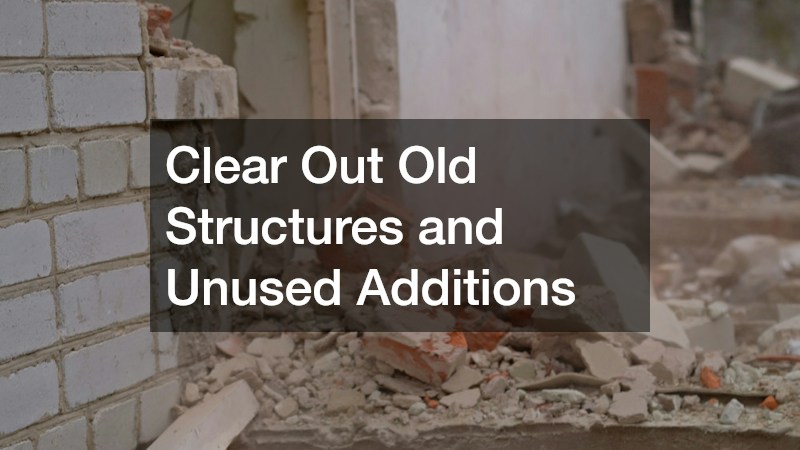
Many homes accumulate old sheds, unpermitted additions, or deteriorating structures over the years that can complicate a sale. Buyers and inspectors alike will question the safety and legality of anything that looks unpermitted or structurally unsound. Removing or properly documenting these structures before listing prevents confusion during the appraisal and inspection process.
If you have a structure that’s beyond saving, bringing in demolition contractors to safely remove it can simplify your listing and eliminate a potential liability. This is particularly important for structures with safety hazards, like a leaning garage or a collapsing deck, that could otherwise scare off buyers entirely. A clean, hazard-free lot presents better in listing photos and gives buyers one less thing to worry about.
Conclusion
A thorough pre-listing inspection checklist turns unknowns into knowns, giving you the power to fix problems on your own terms rather than reacting to a buyer’s demands. Walking through your plumbing, roof, HVAC, foundation, septic system, and exterior access points before listing can save you from costly surprises and stalled negotiations. Take the time now to get professional opinions where needed, and you’ll head into the selling process with confidence instead of guesswork. Your next step is simple: schedule your own inspection before buyers schedule theirs.