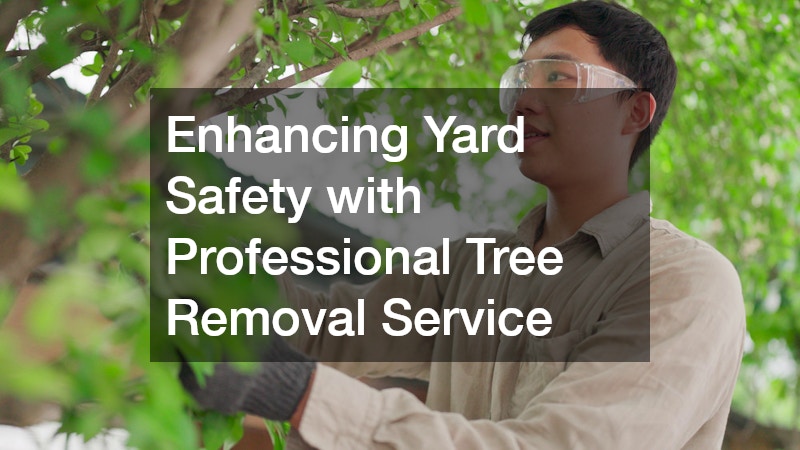
A beautiful yard does more than boost curb appeal-it also plays a critical role in keeping your home and family safe. While trees add shade, character, and value to your property, they can also become serious hazards if they’re not properly maintained. From weakened limbs to hidden decay, even a single neglected tree can lead to costly damage or dangerous situations.
Taking a proactive approach to tree care helps you avoid emergencies, protect your investment, and create a safer outdoor space. Whether you’re dealing with aging trees, storm damage, or overgrowth, understanding when and how to act is essential. This guide walks you through practical, actionable steps to identify risks, make informed decisions, and maintain a secure yard year-round.
Identify Hazardous Trees Before They Become Dangerous
The first step in improving yard safety is learning how to spot early warning signs of trouble before they escalate into serious hazards. Trees often give subtle clues when something is wrong, but these signs are easy to overlook if you’re not actively paying attention. Structural weaknesses, internal decay, and environmental stress can all compromise a tree’s stability over time. This is why routine observation and proactive inspections are so important for homeowners. Catching these issues early allows you to take corrective action before the situation becomes dangerous. Many property owners rely on professional tree services to evaluate potential risks and provide expert recommendations. Additionally, problems like tree infestations can silently weaken a tree’s structure, making it more vulnerable to collapse.
Common warning signs to watch for:
- Deep cracks or splits in the trunk
- Large dead branches hanging overhead
- Sudden leaning or shifting in position
- Mushrooms or fungal growth near the base
- Hollow or soft spots in the trunk
These issues often indicate internal decay or structural weakness. Left unaddressed, they can result in falling limbs or complete tree collapse.
Another major concern is pest-related damage. You might notice small holes in the bark, sawdust-like debris near the base, or thinning leaves that signal declining health. These symptoms can point to deeper issues that require professional attention. Ignoring them can allow the damage to spread, increasing the likelihood of failure during storms or high winds. Taking the time to assess your trees regularly helps you stay ahead of potential risks. When in doubt, scheduling a professional evaluation ensures that no hidden dangers are overlooked.
Know When Tree Trimming Isn’t Enough
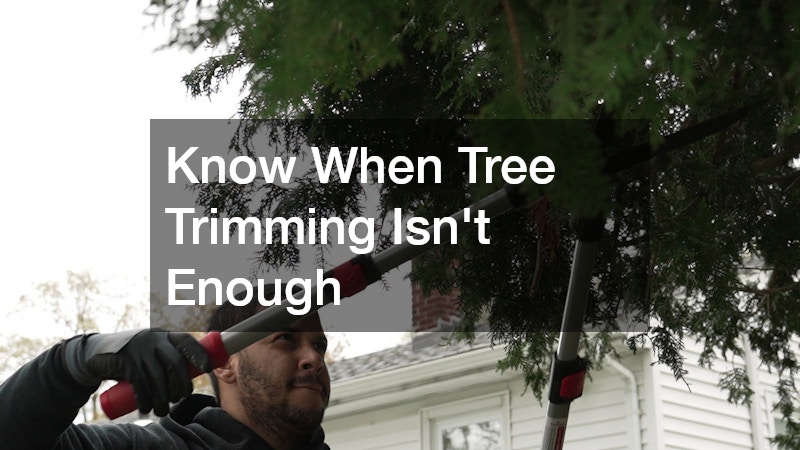
While routine maintenance plays a vital role in keeping trees healthy, there are situations where basic upkeep simply isn’t enough to ensure safety. Many homeowners assume that cutting back branches will solve most problems, but this isn’t always the case. Trees that have suffered extensive damage or disease may continue to deteriorate even after being trimmed. Structural instability, internal decay, and compromised root systems cannot be fixed with surface-level maintenance alone. In these cases, relying solely on tree trimming services can create a false sense of security. When a tree poses a significant risk, opting for a full tree removal service is often the safest and most responsible choice.
Situations where trimming may fall short:
- The trunk is severely damaged or hollow
- More than 50% of the tree is dead
- The root system is compromised
- The tree is leaning toward a structure
Trimming can improve appearance and remove minor hazards, but it does not address deeper structural problems. Weak trees are more likely to fail under pressure, especially during severe weather conditions. Delaying removal in these situations increases the risk of sudden collapse, which can result in property damage or injury. It’s important to weigh the cost of removal against the potential consequences of inaction. Seeking professional advice ensures that you’re making the safest choice for your property. Acting early can prevent emergencies and reduce long-term expenses.
Reduce Liability Risks Around Your Property
Maintaining a safe yard isn’t just about protecting your home-it’s also about protecting yourself from potential legal and financial consequences. Property owners have a responsibility to ensure that their trees do not pose a danger to others. If a neglected tree causes injury or damages neighboring property, you could be held liable for the resulting costs. This makes regular maintenance and prompt action essential for reducing risk. Working with local tree services helps ensure that your property remains compliant with safety standards and local regulations. A qualified local tree service contractor can provide documentation, inspections, and recommendations that support your efforts to maintain a safe environment. Taking these steps demonstrates due diligence and helps protect you from potential disputes.
Common liability concerns:
- Falling branches injuring guests or neighbors
- Trees damaging nearby homes or vehicles
- Obstructed sidewalks or driveways, causing accidents
Addressing these risks early is key to avoiding costly legal issues. Keeping records of inspections and maintenance work can provide valuable protection if a dispute arises. It’s also important to act quickly when a potential hazard is identified, rather than waiting for the problem to worsen. Hiring experienced professionals ensures that the work is done correctly and safely. By staying proactive, you not only improve safety but also gain peace of mind knowing your property is well managed.
Safely Remove Storm-Damaged or Fallen Trees
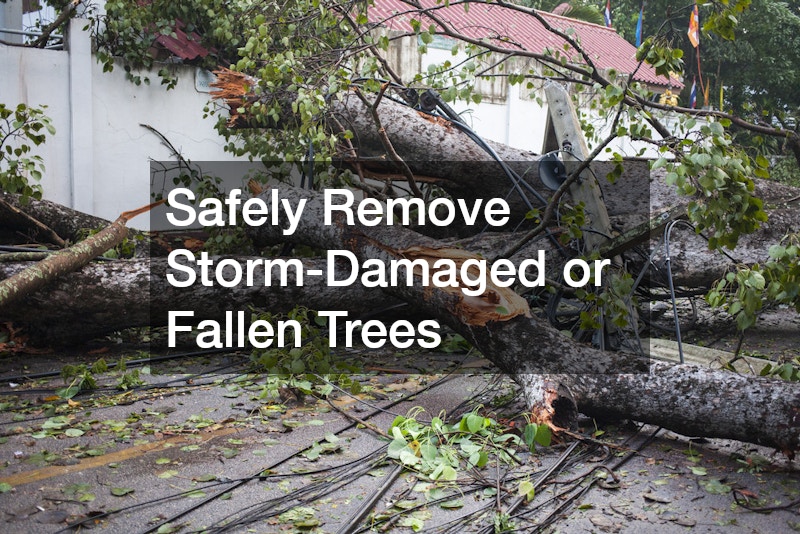
Severe weather can quickly turn a stable landscape into a hazardous environment. High winds, heavy rain, and lightning strikes can weaken trees or cause them to fall without warning. Even trees that appear intact may have hidden damage that makes them unstable. After a storm, it’s important to approach your yard with caution and assess the situation carefully. Broken limbs, split trunks, and uprooted trees all present serious risks that should not be ignored. In these situations, contacting an emergency tree service is often the safest course of action. In many cases, local tree removal experts can respond quickly to minimize further damage and restore safety.
What to do after a storm:
- Stay clear of damaged trees and hanging limbs
- Avoid touching trees near power lines
- Document damage for insurance purposes
Attempting to remove storm-damaged trees on your own can be extremely dangerous. Unstable branches can shift unexpectedly, and hidden tension in the wood can cause sudden movement. Without the proper tools and training, the risk of injury is significantly higher. Professional crews follow strict safety protocols to manage these situations effectively. Acting quickly helps prevent additional damage and ensures that your property is safe to use again as soon as possible.
Protect Structures, Driveways, and Power Lines
Trees that grow close to structures can pose a significant threat if they are not properly managed. Over time, branches may extend over roofs, roots can disrupt foundations, and large limbs can come into contact with power lines. These risks increase as trees grow larger and heavier. Removing or managing these trees requires careful planning to avoid causing additional damage during the process. A professional tree removal company will assess the location, size, and condition of the tree before determining the safest approach. In more complex situations, crane rental may be used to safely lift and remove large sections without risking nearby structures. This level of precision is essential when working in tight or high-risk areas.
High-risk areas to monitor:
- Trees leaning over roofs or garages
- Roots growing near foundations
- Branches close to power lines
Using advanced equipment and professional techniques helps minimize the risk of damage during removal. Attempting to handle these situations without proper expertise can lead to costly repairs or dangerous accidents. It’s always better to address potential threats before they escalate into emergencies. Regular inspections and timely action can help you avoid unnecessary risks. Protecting your home and infrastructure should always be a top priority.
Eliminate Hidden Root and Foundation Threats
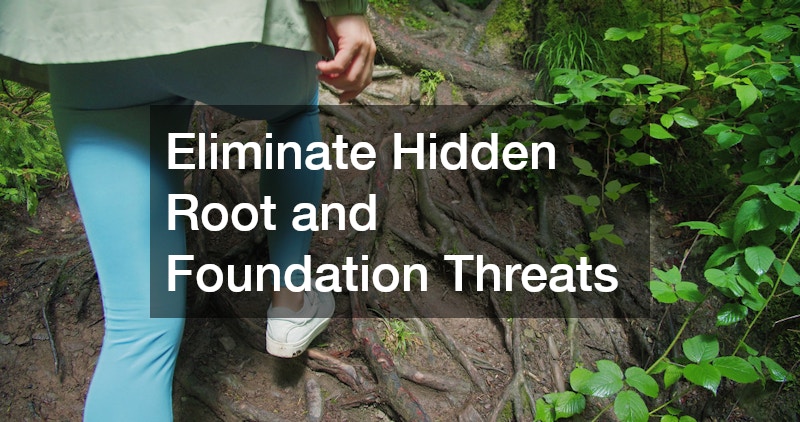
While much of the focus is often on what’s visible above ground, the root system of a tree can be just as problematic. Roots can spread far beyond the base of the tree, sometimes reaching under driveways, sidewalks, and even the foundation of your home. As they grow, they can exert pressure that leads to cracks, uneven surfaces, and structural damage. These issues often develop slowly, making them easy to overlook until significant damage has already occurred. In some cases, the only effective solution is a professional tree removal service to eliminate the source of the problem. Local tree services can also provide guidance on how to prevent similar issues in the future.
Signs of root-related issues:
- Cracks in driveways or walkways
- Uneven ground near the tree
- Plumbing problems or slow drains
Addressing root problems early can save you from costly repairs down the line. Ignoring these warning signs allows the damage to worsen, potentially affecting the stability of your property. Regular monitoring and professional evaluations can help you identify risks before they become severe. Taking a proactive approach ensures that your landscape remains both safe and functional. Long-term planning is key to maintaining a healthy and secure yard.
Handle Pest-Infested Trees Before Spread Occurs
Pest activity is one of the most common yet overlooked threats to tree health and yard safety. Insects and other pests can weaken a tree from the inside, often without obvious signs until the damage is severe. Once an infestation takes hold, it can spread quickly to nearby trees and plants. This makes early detection and intervention critical. Tree infestations can compromise structural integrity, increasing the risk of falling branches or complete tree failure. Acting quickly helps contain the problem and protect the rest of your landscape.
Common pests to watch for:
- Bark beetles
- Carpenter ants
- Termites
If left untreated, infestations can lead to widespread damage that is difficult and expensive to repair. Removing severely affected trees may be necessary to prevent further spread. Proper disposal of infected wood is also important to avoid reintroducing pests to the area. Regular inspections and preventative treatments can help keep your trees healthy. Staying vigilant is the best way to protect your yard from pest-related hazards.

Choose the Right Professionals for Safe Results
Selecting the right professionals is one of the most important steps in maintaining a safe and well-managed yard. Not all service providers offer the same level of expertise, and choosing the wrong team can lead to poor results or even additional risks. A qualified local tree service contractor will have the knowledge, experience, and equipment needed to handle a wide range of situations. Working with a reputable tree removal company ensures that the job is completed safely and efficiently. It’s important to take the time to research your options and verify credentials before making a decision. Asking the right questions can help you identify professionals who are committed to quality and safety.
Questions to ask before hiring:
- What safety measures do you follow?
- Do you handle permits if required?
- What equipment will be used?
Avoiding common red flags can save you from costly mistakes. Be cautious of unusually low estimates, lack of documentation, or pressure to make quick decisions. A trustworthy provider will be transparent about their process and willing to answer your questions. Taking a careful and informed approach to hiring helps ensure that your project is completed successfully. Investing in the right team is essential for long-term safety and peace of mind.
Plan Preventive Maintenance for Long-Term Safety
Maintaining yard safety is an ongoing process that requires consistent attention and planning. Waiting until a problem arises often leads to higher costs and greater risks. By establishing a regular maintenance routine, you can address issues early and prevent emergencies from occurring. This includes scheduling inspections, trimming trees, and removing weak or damaged limbs as needed. Building a relationship with a reliable emergency tree service provider ensures that you have support when unexpected situations arise. Taking a proactive approach helps you stay in control of your landscape and avoid unnecessary stress.
Create a maintenance routine:
- Schedule annual inspections
- Trim trees seasonally
- Remove weak or damaged limbs promptly
Consistent care not only improves safety but also enhances the overall health and appearance of your yard. Regular maintenance reduces the likelihood of sudden failures and extends the lifespan of your trees. It’s important to stay committed to your routine and address any concerns as soon as they arise. Over time, this approach leads to a more stable and manageable landscape. Preventive care is always more effective than reactive solutions.
Creating a Safer and More Secure Outdoor Space
Maintaining a safe yard requires more than occasional upkeep-it involves staying attentive, recognizing potential risks, and taking timely action when needed. Trees are valuable assets to any property, but without proper care, they can quickly become liabilities. By learning how to identify warning signs, addressing issues early, and working with experienced professionals, you can significantly reduce the chances of accidents or damage.
A well-maintained yard not only protects your home and loved ones but also enhances the overall functionality and enjoyment of your outdoor space. Taking a proactive approach allows you to prevent problems before they escalate and ensures that your landscape remains both beautiful and secure. With consistent care and informed decision-making, you can create an environment that is safe, reliable, and built to last.