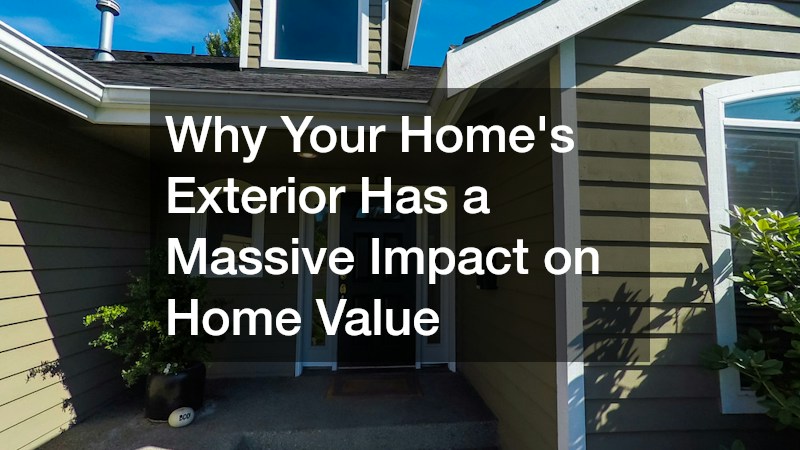
The exterior of a home plays a major role in how the entire property is perceived. Before a potential buyer sees the kitchen, walks through the living room, or notices an updated bathroom, they see the roof, siding, driveway, landscaping, lighting, and other exterior features. A well-maintained exterior can create an immediate sense that the property has been cared for, while visible deterioration may raise questions about maintenance needs elsewhere.
Exterior improvements are not exclusively about appearance. Many of the same projects that enhance curb appeal also protect the structure and make outdoor areas more functional. Roofing maintenance helps prevent moisture intrusion, gutters direct rainwater away from vulnerable areas, tree care can reduce hazards, and driveway maintenance can improve both appearance and usability.
For homeowners thinking about long-term property value, the exterior deserves consistent attention. Strategic maintenance and improvements can help preserve the home’s condition while creating the clean, finished appearance buyers often notice first. Understanding which areas have the greatest visual and practical impact can help homeowners decide where to focus their time and improvement budget.
Illuminate the Property to Strengthen Curb Appeal
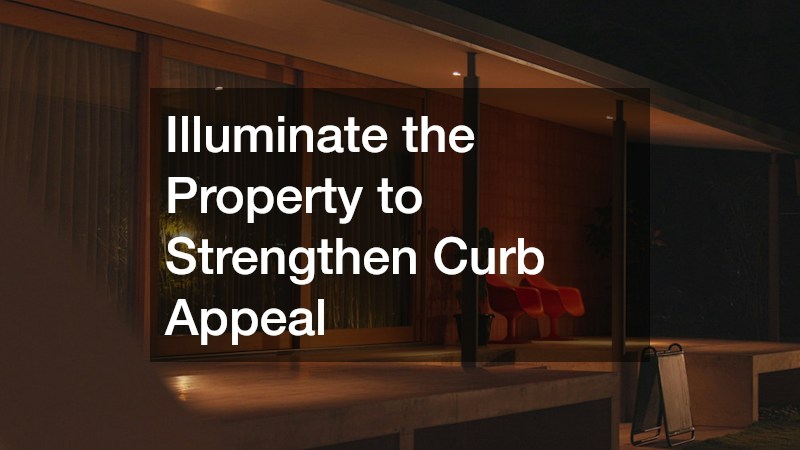
Lighting can dramatically change how a home looks after sunset. A property that appears attractive during the day may lose much of its visual character at night without properly positioned lighting. Exterior fixtures can highlight architectural details, landscaping, walkways, porches, patios, and entryways while making outdoor areas easier to navigate.
Professional exterior lighting installation can be designed around both appearance and function. Pathway lights can define walkways, while fixtures near doors and garages can improve visibility around frequently used areas. Accent lighting may highlight trees, stonework, columns, or other distinctive features that contribute to the home’s character.
Homeowners should avoid simply adding as many lights as possible. Excessive brightness can make an exterior feel harsh rather than inviting. Fixture placement, brightness, direction, and consistency all influence the final result.
Lighting should also complement the home’s architectural style. Updating old, damaged, or mismatched fixtures is a relatively focused project that can make the exterior feel more intentional. When buyers visit during evening hours, thoughtful lighting can help the property maintain strong curb appeal regardless of the time of day.
Prioritize Visible Improvements That Shape First Impressions
First impressions form quickly, which makes highly visible areas an important place to begin when improving a property’s exterior. Peeling paint, damaged siding, deteriorating trim, cracked surfaces, or neglected landscaping can immediately affect how someone perceives a home.
Strategic exterior work can focus first on the features people notice when approaching the property. The front entryway, siding, porch, driveway, landscaping, roofline, and garage door often occupy a significant portion of the initial view. Addressing deterioration in these areas can create a cleaner and more cohesive appearance.
Homeowners do not necessarily need to completely redesign the property. Smaller improvements can make a meaningful difference when they address obvious signs of wear. Replacing damaged trim, pressure washing appropriate surfaces, repairing loose materials, refreshing landscaping, and updating outdated fixtures can collectively transform the home’s presentation.
Consistency is particularly important. A newly painted front door may have less impact if surrounding trim is deteriorated or the walkway is badly damaged. Looking at the exterior as a complete composition helps homeowners prioritize improvements that work together instead of making isolated upgrades that leave other obvious problems untouched.
Refresh Faded Surfaces With a Clean, Updated Finish
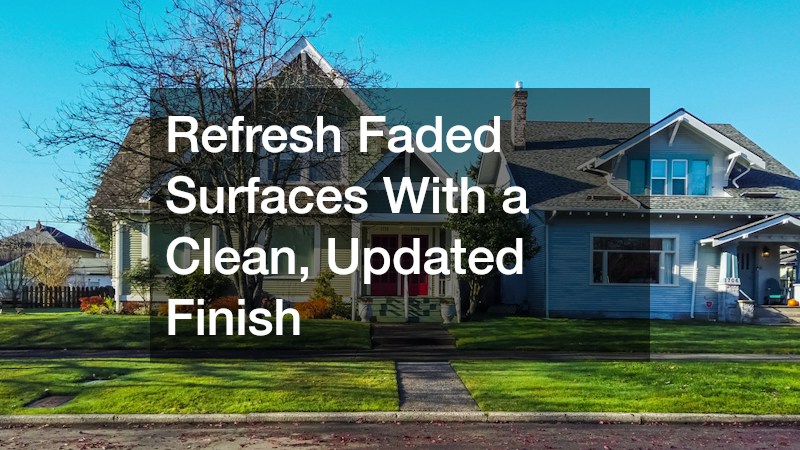
Paint is one of the most noticeable elements of a home’s exterior. Years of sunlight, moisture, temperature changes, and weather exposure can cause painted surfaces to fade, peel, crack, or discolor. Even when the underlying materials remain in good condition, worn paint can make the entire property appear older.
Working with a local painting company can help homeowners restore siding, trim, shutters, doors, and other painted surfaces. Preparation is a critical part of the process. Cleaning, scraping loose material, repairing damaged areas, and properly preparing surfaces can affect how the finished paint looks and how well it performs.
Color selection also influences curb appeal. Some homeowners prefer neutral colors with broad appeal, while others use doors, shutters, or trim to introduce stronger accents. The home’s architectural style and surrounding materials should help guide these choices.
Painting also serves a practical purpose on many exterior materials by providing a protective layer against environmental exposure. Homeowners should therefore consider exterior painting as both an aesthetic project and part of ongoing property maintenance.
Protect the Home’s Structure With Reliable Exterior Care
A home’s roof has an enormous visual presence, but its importance extends far beyond appearance. The roofing system protects the structure from rain, snow, wind, sunlight, and other environmental conditions. Visible roof deterioration can therefore affect both curb appeal and perceptions of the property’s overall condition.
Professional local roofing services can help identify missing materials, damaged flashing, deteriorated sealants, ventilation concerns, and other potential issues. Homeowners may also benefit from inspections following major storms or when they notice signs of moisture inside the house.
Roof maintenance can be particularly important when preparing to sell. Buyers may pay close attention to the roof because replacement can represent a significant future expense. A roof that appears neglected could create concerns even before a professional inspection occurs.
Homeowners should avoid evaluating the roof based solely on how it looks from the ground. Some problems may not be obvious without closer inspection. Addressing necessary repairs and maintaining the roofing system can help preserve one of the home’s most important structural defenses while supporting a well-maintained exterior appearance.
Improve Driveways and Walkways for a More Polished Look
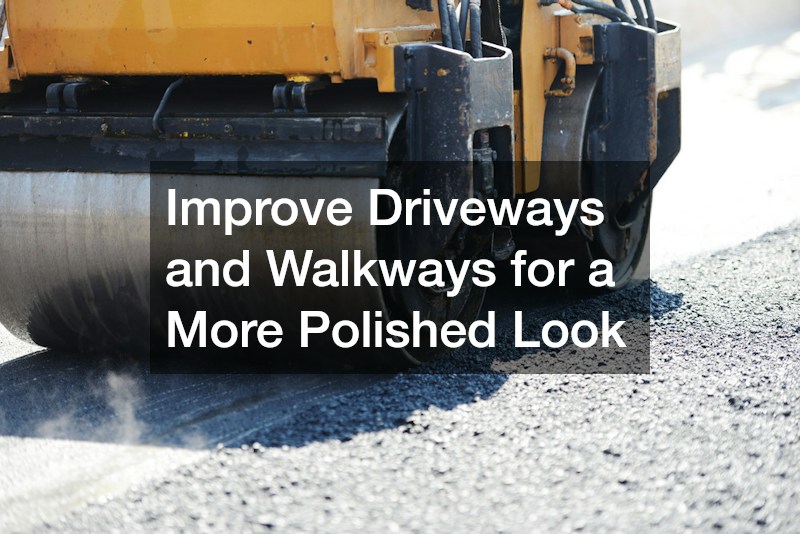
Driveways and walkways occupy substantial visual space on many properties. Cracks, potholes, crumbling edges, stains, or uneven areas can make the exterior appear neglected even when the house itself is in excellent condition.
An asphalt contractor can evaluate deteriorated paved areas and determine whether maintenance, repairs, resurfacing, or replacement may be appropriate. The correct approach depends on the age and condition of the pavement as well as the extent of existing damage.
Maintenance can also help slow further deterioration. Water entering cracks can contribute to damage, particularly in climates where freezing and thawing occur. Addressing problems before they expand can help preserve the appearance and function of paved surfaces.
Walkways deserve similar attention because they guide visitors toward the home. Clean, stable paths can make an entryway feel more intentional and inviting. Landscaping along these areas can further define them and soften the transition between paved and planted spaces.
A neat driveway and well-maintained walkway create a visual foundation for the property, helping surrounding landscaping and exterior features appear more polished.
Maintain Healthy Trees to Preserve Outdoor Appeal
Mature trees can be defining features of residential landscapes. They provide shade, create visual interest, frame the home, and contribute to the overall character of the yard. However, trees require maintenance to remain attractive and safe.
Professional tree service may include pruning dead or damaged branches, evaluating tree health, managing growth, and addressing potential hazards. Appropriate pruning can improve a tree’s structure and prevent overgrown branches from overwhelming other parts of the landscape.
Trees should also be considered in relation to the house. Branches growing against siding or roofing materials can create maintenance concerns, while excessive growth may block desirable views or sunlight. Roots can also interact with pavement, retaining walls, and other landscape features.
Homeowners should avoid aggressive or unnecessary trimming simply to create a particular appearance. Different species have different growth habits and maintenance needs. Proper tree care aims to preserve healthy growth while managing potential risks.
Well-maintained trees can make a property feel established and thoughtfully landscaped. Neglected or visibly unhealthy trees, by comparison, can distract from otherwise attractive exterior improvements.
Address Overgrown or Hazardous Trees Before They Cause Damage
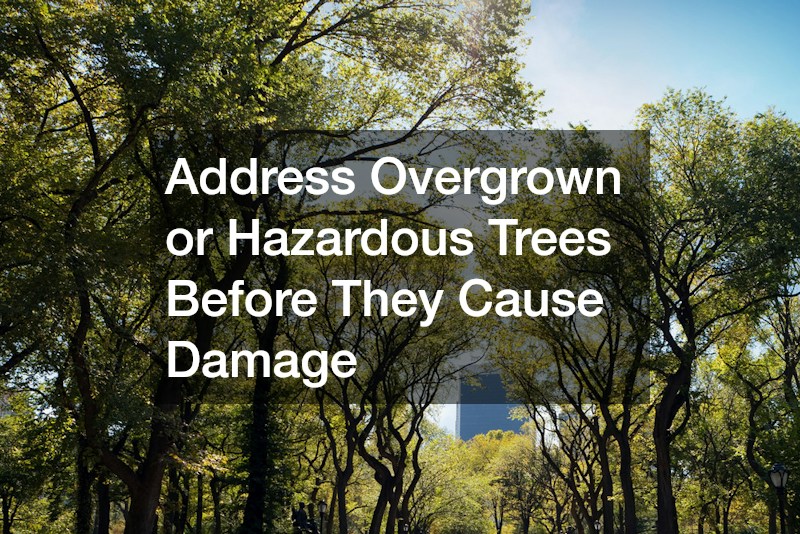
Not every tree can be preserved indefinitely. Disease, structural instability, severe storm damage, decay, or inappropriate placement may eventually create conditions that require more substantial intervention. Large branches hanging over roofs, driveways, utility areas, or neighboring property can also become a concern.
Experienced local tree companies can assess trees that appear unhealthy or potentially hazardous. Warning signs may include large dead branches, significant trunk damage, unusual leaning, visible decay, exposed roots, or major changes in the canopy. A professional evaluation can help determine whether pruning, treatment, monitoring, or removal is appropriate.
Addressing hazardous trees can protect more than curb appeal. Falling limbs can damage roofs, vehicles, fences, landscaping, and other structures. In severe cases, an unstable tree may pose a risk to people or nearby buildings.
Homeowners should be especially attentive after strong storms. Wind, saturated soil, lightning, and falling debris can alter the stability of trees even when damage is not immediately obvious.
Managing problematic trees before an emergency develops can preserve the surrounding landscape and prevent one neglected exterior feature from causing much larger property damage.
Remove Unsightly Stumps to Create a Cleaner Landscape
Removing a tree solves one problem, but the remaining stump can become another visual distraction. Large stumps interrupt lawns and planting areas, complicate mowing, and may limit how homeowners use portions of their yards.
A professional stump grinding service can reduce remaining stumps below the surrounding surface, creating opportunities to restore the area. Depending on the location and future landscaping plans, homeowners may add soil, establish grass, create a planting bed, or redesign the space.
Stump removal can be particularly useful when preparing a property for sale because it creates a cleaner, more finished appearance. A yard containing multiple old stumps may look as though landscaping projects were left incomplete.
Homeowners should discuss underground utilities, nearby structures, root systems, and cleanup with the service provider before work begins. Stump grinding typically produces wood debris that may need to be removed or incorporated into the landscape.
Once unwanted stumps are addressed, homeowners gain greater flexibility to create continuous lawns, expand gardens, improve pathways, or otherwise make better use of outdoor space.
Prevent Water Damage With Routine Drainage Maintenance
Rainwater management is one of the less glamorous aspects of exterior maintenance, but it can have significant consequences for a property. Gutters collect water from the roof and direct it toward downspouts so it can move away from vulnerable areas of the home.
Professional gutter cleaning services can remove leaves, twigs, dirt, and other debris that interfere with drainage. When gutters become clogged, water may overflow near the roofline or collect where it should not. Persistent moisture can contribute to problems involving fascia, siding, landscaping, and areas near the foundation.
Homeowners should pay attention to gutters during rainfall. Overflowing sections, water spilling behind the gutter, sagging components, or downspouts that fail to drain properly may indicate a problem. Properties surrounded by mature trees may require more frequent attention because leaves and small branches can accumulate quickly.
Routine gutter maintenance can also preserve curb appeal. Gutters filled with vegetation or visibly sagging along the roofline make an otherwise well-maintained exterior look neglected. Keeping drainage components clean and functional supports both appearance and long-term property protection.
Upgrade Drainage With a Cleaner, More Durable System
Older gutter systems may eventually require more than routine cleaning. Leaking joints, corrosion, sagging sections, inadequate sizing, or repeated repairs can signal that replacement deserves consideration. Updating gutters provides an opportunity to improve both drainage performance and the appearance of the roofline.
Seamless gutters are manufactured in long sections designed to reduce the number of joints along straight runs. Because joints are common locations for potential leaks, reducing their number can create a cleaner system with fewer connection points. Corners, downspouts, and other transitions still require connections, so proper installation remains important.
Gutter size and downspout placement should reflect the roof and local rainfall conditions. Water must not only leave the roof but also be directed to an appropriate location once it reaches ground level. Poorly positioned downspouts can simply relocate drainage problems closer to foundations, walkways, or landscaping.
Homeowners can also choose gutter profiles and finishes that coordinate with roofing, siding, trim, and other exterior features. A well-designed system can blend into the architecture rather than becoming a distracting visual element.
A home’s exterior has such a significant impact on property value because it combines appearance, condition, protection, and functionality in one highly visible package. Buyers begin forming impressions before they walk through the front door, and exterior deterioration can influence how they perceive the rest of the property. At the same time, many exterior projects address practical issues that can affect the home’s condition over the long term.
Homeowners do not necessarily need to complete every improvement at once. A better approach is to identify the most visible problems and the issues that could cause additional damage if ignored. Roofing concerns, hazardous trees, drainage problems, and deteriorated pavement may deserve priority, while painting, lighting, landscaping, and other cosmetic projects can further strengthen curb appeal.