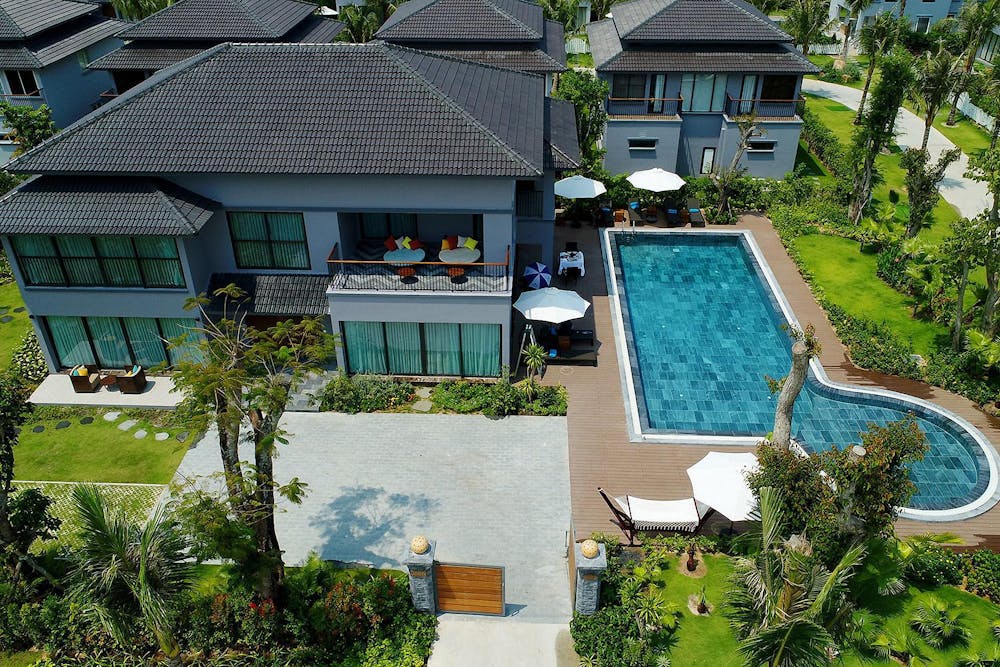
- Landscaping combines natural elements (plants, trees, lawns) and structural features (patios, pathways, lighting) to create functional and visually appealing outdoor spaces.
- A well-designed landscape improves curb appeal, boosts property value, and enhances homeowners’ quality of life through relaxing outdoor environments.
- Key landscaping elements include softscape, hardscape, lighting, and water features, all of which work together to achieve balance and usability.
- Applying design principles like unity, proportion, and focal points helps create cohesive and aesthetically pleasing landscapes.
- Proper planning, budgeting, and regular maintenance are essential for long-term landscaping success and sustainability.
- Homeowners can choose between DIY landscaping for small projects or professional services for complex designs and installations.
Landscaping plays a major role in shaping how a property looks, feels, and functions. Beyond planting flowers or trimming grass, landscaping involves designing outdoor spaces that balance aesthetics, usability, and environmental sustainability. Homeowners today are increasingly investing in landscaping not only to beautify their yards but also to improve property value and create relaxing outdoor environments.
A well-planned landscape can transform an ordinary yard into a functional extension of the home. Whether it is a cozy garden, a modern patio, or a lush tropical backyard, landscaping helps homeowners personalize their outdoor spaces. Understanding the key elements of landscaping allows you to make informed decisions and achieve long-term results.
What Is Landscaping and Why Is It Important for Your Home?
Landscaping refers to the process of modifying outdoor areas through design, planting, and construction to enhance their visual appeal and functionality. It combines natural elements like plants, trees, and soil with structural features such as pathways, patios, and retaining walls. This integration creates a cohesive outdoor environment that complements the architecture of a home.
The importance of landscaping goes beyond aesthetics. A thoughtfully designed yard can improve air quality, reduce heat, and promote mental well-being by providing calming green spaces. Landscaping also plays a crucial role in environmental conservation by supporting biodiversity and managing water runoff effectively.
From a financial perspective, landscaping significantly boosts curb appeal and property value. Homes with attractive outdoor spaces often attract buyers faster and command higher market prices. For homeowners who enjoy entertaining or relaxing outdoors, landscaping provides functional areas that enhance daily living experiences.
Understanding the Core Concept of Landscaping
Landscaping is both an art and a science that focuses on designing and maintaining outdoor environments. It involves planning layouts, selecting plants, installing structures, and maintaining the landscape over time. Professional landscapers consider factors such as climate, soil conditions, drainage, and sunlight exposure when creating designs.
The core concept of landscaping revolves around harmony and balance. A successful landscape design integrates natural and built elements seamlessly, ensuring that each component contributes to the overall aesthetic and functionality. This holistic approach prevents cluttered or mismatched outdoor spaces.
Homeowners can approach landscaping through DIY projects or by hiring professionals. Regardless of the approach, understanding the fundamentals helps ensure that your outdoor space remains sustainable, attractive, and easy to maintain.
Key Elements of Landscaping Every Homeowner Should Know
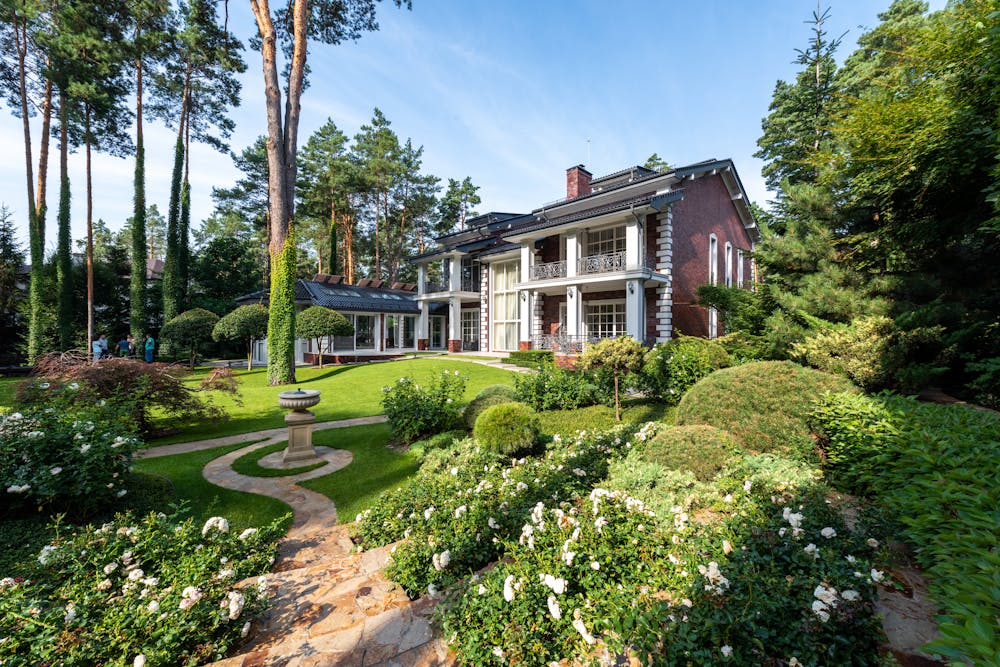
Landscaping consists of multiple elements that work together to create a cohesive outdoor space. These elements determine how functional, visually appealing, and sustainable a landscape will be. Recognizing these components allows homeowners to plan effectively and prioritize improvements based on their needs.
Each element contributes differently to the landscape’s overall design. While plants provide natural beauty and ecological benefits, structural features add usability and organization. Combining these aspects ensures that your yard serves both practical and aesthetic purposes.
Softscape Elements
Softscape refers to the living components of landscaping, including plants, grass, shrubs, flowers, and trees. These elements bring life and color to outdoor spaces while supporting biodiversity and improving air quality.
Softscape design involves careful plant selection based on climate, soil type, and maintenance requirements. Layering plants of different heights and textures adds depth and visual interest. Seasonal plants can also be incorporated to ensure year-round appeal.
Hardscape Elements
Hardscape includes non-living structures such as patios, pathways, decks, fences, and retaining walls. These elements provide functionality and define outdoor spaces, making them more organized and usable.
Hardscape features also improve accessibility and durability. For instance, walkways protect lawns from foot traffic, while retaining walls prevent soil erosion. When designed properly, hardscape elements complement softscape features to create a balanced landscape.
Landscape Lighting
Landscape lighting enhances safety and highlights key features of your yard during nighttime. It can illuminate pathways, accentuate trees, and create ambiance for outdoor gatherings.
Energy-efficient lighting options, such as solar-powered fixtures, reduce electricity consumption while maintaining functionality. Strategic placement ensures that lighting enhances visual appeal without overwhelming the natural environment.
Water Features
Water features like fountains, ponds, and waterfalls add tranquility and sophistication to outdoor spaces. The sound of flowing water creates a relaxing atmosphere that enhances mental well-being.
Additionally, water features can support local wildlife and improve microclimates. Proper maintenance and filtration systems are essential to ensure cleanliness and sustainability.
Popular Landscaping Styles Homeowners Can Explore
Choosing a landscaping style helps guide design decisions and ensures visual consistency. Different styles cater to varying preferences, climates, and maintenance levels. Understanding these options allows homeowners to select designs that align with their lifestyle.
Landscaping styles also influence plant selection, materials, and layout. Some emphasize minimalism and clean lines, while others focus on lush greenery and natural aesthetics. Selecting the right style ensures that your landscape complements your home’s architecture.
Common Landscaping Styles
- Tropical landscaping
- Modern minimalist landscaping
- Traditional garden landscaping
- Xeriscape landscaping
- Cottage garden style
- Japanese garden landscaping
Each style offers unique benefits, from low-maintenance xeriscaping to vibrant tropical gardens suited for warm climates.
Benefits of Landscaping for Homeowners
Landscaping provides a wide range of advantages that extend beyond visual appeal. These benefits impact physical health, emotional well-being, environmental sustainability, and financial value. Homeowners who invest in landscaping often experience improvements in both lifestyle and property performance.
A well-designed landscape can serve as a multifunctional space for relaxation, recreation, and social gatherings. Outdoor environments also encourage physical activity and provide stress relief. Additionally, landscaping supports ecological balance by promoting plant diversity and improving soil health.
Key Benefits
- Increased property value and curb appeal
- Improved outdoor functionality
- Enhanced environmental sustainability
- Better air quality and temperature regulation
- Increased privacy and noise reduction
- Stress relief and mental well-being
Essential Landscaping Design Principles
Landscaping design principles guide how elements are arranged to achieve visual harmony and functionality. These principles ensure that outdoor spaces feel balanced and cohesive rather than chaotic. Homeowners who understand design fundamentals can make smarter planning decisions.
Design principles also help prevent common mistakes, such as overcrowding plants or mismatched materials. Applying these concepts results in landscapes that remain visually appealing and practical over time.
Important Design Principles
- Balance and symmetry
- Unity and cohesion
- Proportion and scale
- Rhythm and repetition
- Focal points
- Simplicity
By incorporating these principles, homeowners can create landscapes that feel organized and aesthetically pleasing.
How to Start Your Landscaping Project
Starting a landscaping project can feel overwhelming, especially for beginners. However, breaking the process into manageable steps simplifies planning and execution. A structured approach helps homeowners stay within budget and achieve desired outcomes.
Before beginning, assess your outdoor space and identify goals such as improving curb appeal, creating entertainment areas, or enhancing privacy. Understanding your priorities ensures that resources are allocated effectively.
Step-by-Step Guide
- Evaluate your yard and soil conditions
- Set landscaping goals
- Create a design plan
- Establish a budget
- Select plants and materials
- Install hardscape features
- Implement irrigation systems
- Maintain your landscape regularly
Landscaping Maintenance Tips for Long-Term Success

Caring for your landscape is key to keeping it both beautiful and functional. Routine maintenance helps prevent problems like plant diseases, uncontrolled growth, and damage to structures. By following a regular upkeep schedule, you can ensure your outdoor areas stay visually appealing year-round.
Proper maintenance also encourages sustainable practices, supporting healthy plant development and optimizing water use. Ignoring these tasks can result in expensive repairs and diminish the overall appeal of your property over time.
Maintenance Checklist
- Regular watering and irrigation management
- Seasonal pruning and trimming
- Lawn mowing and fertilization
- Pest and weed control
- Cleaning hardscape surfaces
- Checking drainage systems
Common Landscaping Mistakes to Avoid
Even well-intentioned landscaping efforts can encounter challenges. Understanding common mistakes helps homeowners avoid costly errors and achieve better results. Proper planning and research play a crucial role in preventing these issues.
One common mistake is choosing plants unsuitable for local climate conditions, leading to poor growth and increased maintenance. Overcrowded plants can also restrict airflow and create visual clutter.
Mistakes to Watch Out For
- Poor drainage planning
- Overplanting or overcrowding
- Ignoring soil quality
- Lack of maintenance planning
- Inconsistent design themes
- Underestimating lighting needs
DIY Landscaping vs Hiring Professionals
Homeowners often face the decision of handling landscaping projects themselves or hiring professionals. Each option has advantages depending on budget, time, and project complexity. Understanding these factors helps determine the best approach.
DIY landscaping is ideal for small projects and homeowners who enjoy hands-on work. It allows greater control over design choices and can reduce labor costs. However, complex installations may require specialized knowledge and equipment.
Hiring professionals ensures expert design, efficient execution, and long-term durability. Professionals can also provide insights into plant selection, drainage systems, and sustainable practices that homeowners may overlook.
Future Landscaping Trends Homeowners Should Know
Landscaping trends continue to evolve as homeowners seek sustainable, functional, and visually appealing outdoor spaces. Emerging trends emphasize environmental responsibility, smart technology integration, and multifunctional design.
Sustainable landscaping practices, such as rain gardens and native plant usage, are gaining popularity due to their ecological benefits. Smart irrigation systems and automated lighting are also transforming landscape management by improving efficiency.
Trending Landscaping Ideas
- Outdoor living rooms
- Edible gardens and urban farming
- Smart irrigation technology
- Native and drought-resistant plants
- Vertical gardens
- Low-maintenance landscaping
Conclusion
Landscaping is a powerful tool for enhancing outdoor spaces and improving overall quality of life. By understanding its key elements, homeowners can design landscapes that are both visually appealing and functional. Whether incorporating softscape features, installing hardscape structures, or adding water elements, each component contributes to a cohesive outdoor environment.
Beyond aesthetics, landscaping offers environmental, emotional, and financial benefits that make it a worthwhile investment. With proper planning, maintenance, and design principles, homeowners can create sustainable landscapes that enhance property value and daily living experiences. Ultimately, landscaping transforms outdoor spaces into meaningful extensions of the home, providing beauty, comfort, and long-term satisfaction.