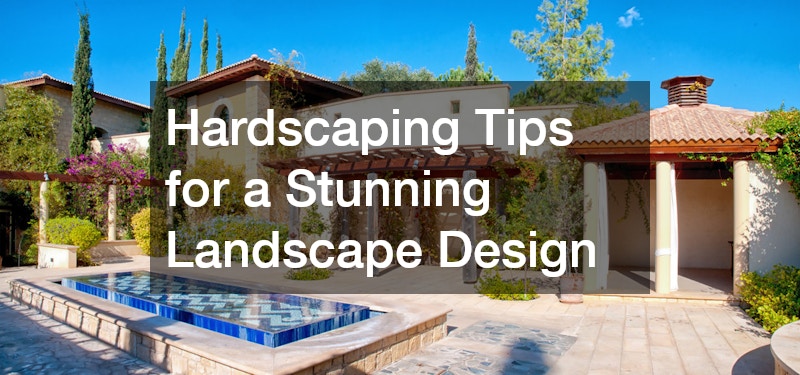
Hardscaping forms the foundation of a successful landscape design, adding structure, definition, and long-lasting functionality to outdoor spaces. Elements such as patios, walkways, retaining walls, and seating areas not only enhance visual appeal but also improve usability and flow. When thoughtfully planned and well-executed, hardscaping creates a balanced outdoor environment that complements natural features, enhancing comfort, durability, and overall property value.
What are the key elements to consider in hardscaping?
When embarking on a hardscaping project, the choice of materials is paramount to the overall success and longevity of the installation. Common materials include natural stone, concrete pavers, brick, and gravel, each offering distinct benefits and aesthetics.
Durability is a crucial factor; selecting weather-resistant and wear-resistant materials ensures that the landscape withstands the tests of time and environment.
Natural stone, with its unique patterns and textures, adds an element of elegance and authenticity to any outdoor space. Concrete pavers are favored for their versatility and ease of installation, while bricks lend a classic, timeless look. Gravel can serve as an effective ground cover or accent material, adding crunch underfoot and facilitating excellent drainage.
Design Techniques
Creating harmony between hardscape and softscape elements is an art that requires thoughtful design. Techniques such as color matching, texture blending, and thematic coherence are essential in achieving a balanced landscape. Ensuring that hardscape features complement the natural surroundings enhances both aesthetic appeal and functionality.
Texture blending involves combining materials with contrasting surfaces to create visual interest and tactile variation. For example, a sleek concrete patio paired with a rustic stone pathway provides both contrast and cohesion. Additionally, incorporating naturalistic curves and shapes within hardscape designs can mimic nature’s organic forms, creating a more inviting and fluid outdoor space.
Functionality and Maintenance
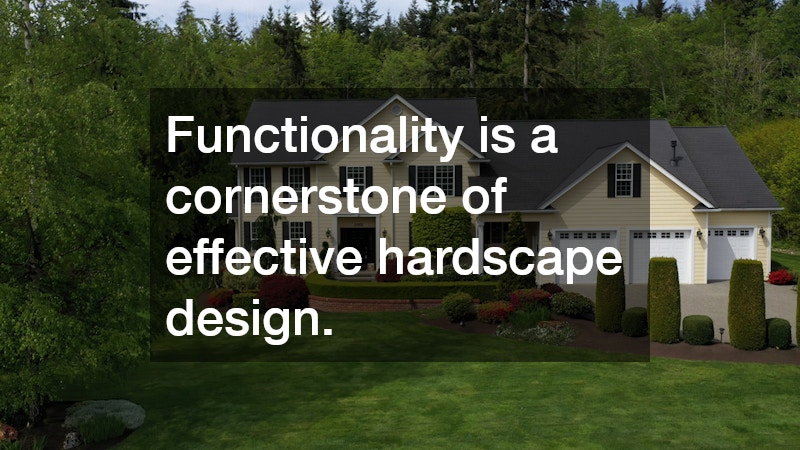
Functionality is a cornerstone of effective hardscape design, as these features must serve practical purposes in addition to aesthetics. Selecting multifunctional elements, like a retaining wall that doubles as seating, maximizes usability without sacrificing space. Furthermore, maintenance considerations should be integral to the design process.
Easy-to-maintain surfaces, such as sealed concrete or weather-resistant woods, reduce the time and effort required to keep your landscape pristine. Implementing proper drainage solutions, like French drains or slope grading, prevents water accumulation and prolongs the lifespan of hardscape installations.
How can hardscaping enhance property value?
Investing in hardscape features can significantly elevate the curb appeal of any property, drawing attention with attractive landscaping from the outset. Features such as stone walkways, well-defined driveways, and intricately designed entryways offer an immediate and lasting impression to potential buyers. Enhanced curb appeal not only attracts admirers but can also increase competitive value on the real estate market.
Hardscapes add layers of sophistication and polish to the exterior, setting a standard of care and attention that purchasers find reassuring. Quality craftsmanship, evident in the aligned placement of bricks or the careful joining of flagstones, reflects the property’s overall integrity.
Outdoor Living Space
Transforming an outdoor area into the epitome of relaxation and entertainment can dramatically enhance property value and owner satisfaction. Patios, decks, and fire pits create extended living spaces that encourage outdoor interaction and leisure time. These additions provide the luxury of convenience, bringing amenities typically found indoors to the open air.
Besides offering enjoyment, outdoor spaces increase a property’s practicality and desirability. A solidly constructed patio contributes to seamless indoor-outdoor living, especially when outfitted with outdoor kitchens or comfortable seating. By creating these engaging spaces, homeowners can entertain guests in a serene, private setting or enjoy peaceful solitude in natural surroundings.
Increased Durability
A significant aspect of hardscape design is its resilience and contribution to the overall longevity of outdoor features. Implementing high-quality materials and robust construction techniques ensures that hardscape installations withstand weather extremes and the wear and tear of time. Durability enhances both the functionality and appearance of the landscape, adding lasting value to the property.
Quality hardscapes serve as a protective barrier, mitigating erosion and facilitating drainage, vital for maintaining a property’s structural health. Retaining walls and well-constructed paths provide safe, accessible routes, reducing maintenance needs and hazards. In contrast to softscape elements that may fluctuate with seasons, durable hardscape elements provide permanent fixtures that continue offering utility and beauty throughout the years.
What are some common mistakes to avoid in hardscaping?
Inadequate drainage is a critical misstep in hardscape projects that can lead to water damage, erosion, and foundational issues. Prioritizing drainage solutions during the design phase helps prevent future concerns such as pooling water or mud accumulation. Incorporating features like sloped surfaces and drainage channels ensures that water is directed away from structures efficiently.
Without proper drainage planning, hardscape elements like patios and pathways can become hazardous when wet or icy, presenting safety risks. Implementation of permeable pavements allows water to seep through the surface, minimizing hazards and contributing to groundwater replenishment. Techniques like French drains or strategically placed gutters further manage water runoff effectively.
Overwhelming Designs
One common mistake in hardscaping is the temptation to incorporate excessive designs and dense features, overpowering the natural landscape. Balancing hardscape elements requires careful consideration of scale and proportion to prevent creating an overcrowded or chaotic appearance. A strategic layout that appreciates negative space can lead to a more engaging and soothing environment.
The challenge in eliminating clutter lies in prioritizing select features that offer the highest impact and usefulness, while maintaining harmony with existing natural elements. Design principles such as symmetry, rhythm, and scale guide the creation of cohesive hardscape arrangements that unify rather than dominate the outdoor tableau. Functionality, not volume, should dictate the inclusion of features, ensuring a well-organized landscape is the result.
Hardscaping plays a vital role in creating a landscape that is both attractive and functional. Through thoughtful material selection, balanced design, and attention to durability and maintenance, hardscape features add structure, usability, and long-term value to outdoor spaces. When properly planned, they enhance curb appeal, expand outdoor living areas, and protect the landscape from wear and erosion.