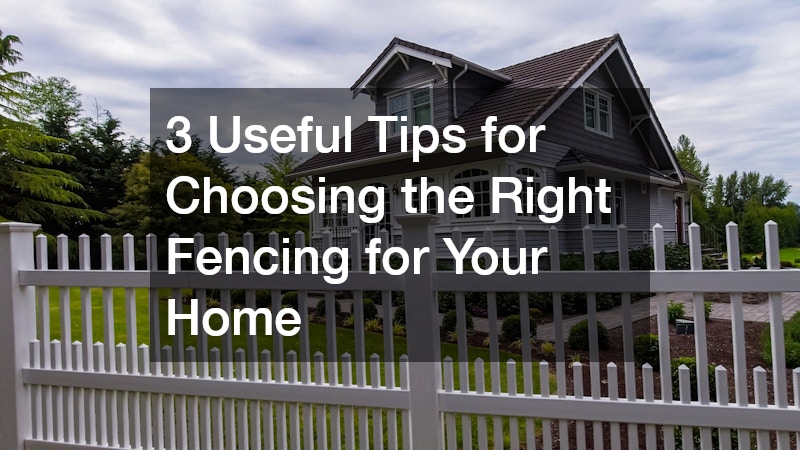
Choosing the right fencing for your property is about much more than simply marking where your land starts and ends. The right choice can enhance curb appeal, improve privacy, increase safety, and even increase the overall value of your home. With a wide variety of styles, materials, and price points available, homeowners often feel overwhelmed when trying to decide what works best. Taking a thoughtful, step-by-step approach can make the process far easier and help you avoid costly mistakes.
By clearly defining your goals, understanding how different materials perform, and planning for long-term ownership costs, you can select an option that complements your home and supports your lifestyle for years to come.
Define Your Purpose and Priorities
Before comparing designs or prices, it’s essential to understand exactly why you want a fence in the first place. Many homeowners have more than one reason, of course, but identifying your primary goal will help guide every decision that follows.
Ensuring privacy is one of the most common motivations, especially for homes near busy streets or with close neighbors. In these cases, solid panels or closely spaced boards are often preferred. Safety is another major consideration, particularly for families with young children or pets. Height, gate security, and durable construction all play an important role in creating a safe environment.
Aesthetics are also important to consider. The right design can dramatically improve the appearance of your property and tie together landscaping and architectural elements. Some homeowners want a bold statement, while others prefer something more subtle that blends into the background.
It’s also important to think beyond your immediate needs. Consider how your lifestyle may change over time. Will you add a pool, garden, or outdoor entertaining area to your property in the future? Planning ahead ensures your choice of fencing remains functional and visually appealing as your needs evolve over time.
Finally, don’t overlook local regulations. Zoning laws, homeowners’ association rules, and property line requirements can all affect what you’re allowed and not allowed to install. Understanding and establishing these limitations early can save time, money, and frustration later in the process.
Compare Materials Based on Durability and Style
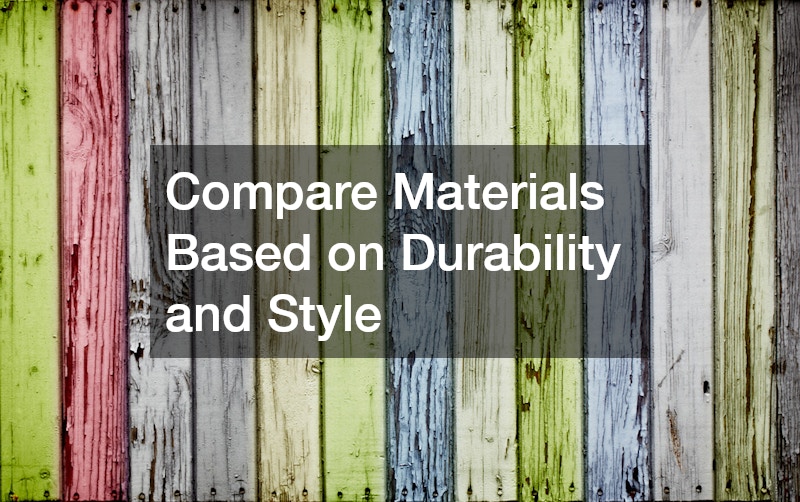
Material selection is one of the most influential factors in both appearance and performance. Each option offers its own advantages, so understanding how they compare can help you make a confident decision.
Wood is a classic choice that offers warmth and versatility. It can be customized with paint or stain to suit almost any home style. However, wood generally requires regular maintenance to protect it from moisture, insects, and weather-related wear. Without proper care, it may warp or deteriorate over time.
Vinyl and composite materials are popular for homeowners seeking low maintenance and long-term durability. These options resist fading, rot, and pests, making them ideal for harsh or changing climates. While the initial investment may be higher, the reduced upkeep can make them cost-effective in the long run.
Metal options such as aluminum and steel provide strength and a clean, modern look. They work especially well in front yards or areas where visibility is important. While they may not offer complete privacy, they are durable and often require minimal maintenance.
When comparing materials, think about how they will perform in your local environment. Climate, sun exposure, and soil conditions all influence longevity. The right fencing material should complement your home’s exterior while meeting practical needs such as durability and ease of care.
Plan for Maintenance, Budget, and Installation
Even the most attractive design can become a burden if it doesn’t align with your budget or maintenance expectations. Careful planning ensures your investment remains worthwhile over time.
Start by establishing a realistic budget that accounts for more than just materials. Installation costs, permits, and site preparation can significantly affect the total expense. Uneven terrain, existing structures, or difficult soil conditions may increase labor costs, so it’s wise to factor these variables in early.
Maintenance is another crucial consideration. Some homeowners enjoy routine upkeep, while others prefer solutions that require minimal attention. Be honest about how much time and effort you’re willing to invest each year. Choosing a fencing option that matches your maintenance preferences can prevent frustration and unexpected expenses.
Professional installation is often worth the cost, especially for complex layouts or heavier materials. Experienced installers ensure posts are properly set, panels are aligned, and gates operate smoothly. A well-installed fence not only looks better but also lasts longer and performs more reliably.
Selecting the right fencing for your home involves balancing purpose, materials, and long-term planning. By clearly defining your priorities, carefully comparing material options, and preparing for maintenance and installation costs, you can create a boundary that enhances both the function and appearance of your property. A thoughtful approach today will provide lasting value, comfort, and peace of mind well into the future.