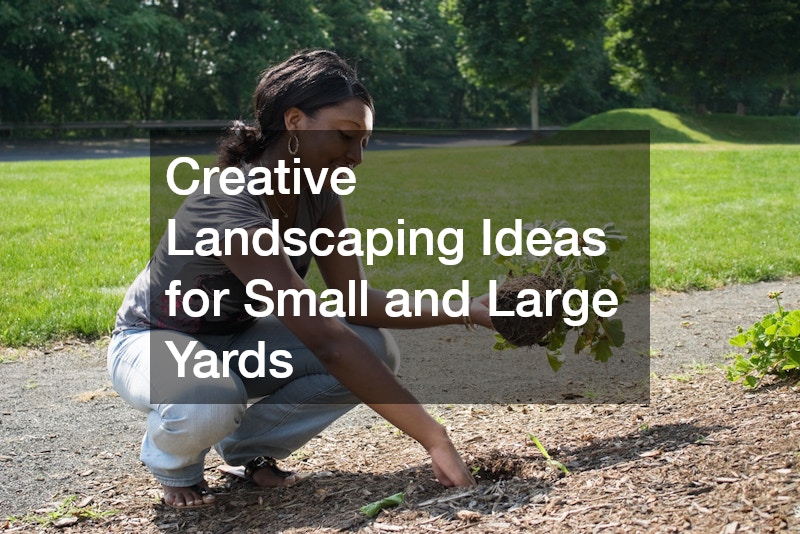
Landscaping is more than just planting flowers or mowing a lawn—it’s an expression of creativity, functionality, and long-term planning. Thoughtfully designed outdoor spaces enhance the beauty of your home, improve property value, and provide a sanctuary for relaxation and social gatherings. Whether your yard is small and intimate or expansive and open, creative landscaping can maximize every inch of outdoor space while creating an environment that supports wellness, sustainability, and enjoyment.
From evaluating your existing space to selecting plants, hardscaping, and sustainable practices, there are countless ways to elevate your yard into a living extension of your home. This guide explores strategies for both small and large properties, highlighting practical tips that anyone can implement while considering professional services where needed.
Moreover, landscaping is not only about aesthetics; it also plays a functional role in shaping microclimates, managing water flow, and improving air quality. Thoughtful plant placement can provide natural shade, reduce soil erosion, and even attract pollinators, contributing to a healthier local ecosystem. By integrating both ornamental and practical elements, homeowners can create spaces that are visually appealing, environmentally responsible, and tailored to the way they live, work, and entertain outdoors.
Assessing Your Yard Space for Maximum Potential
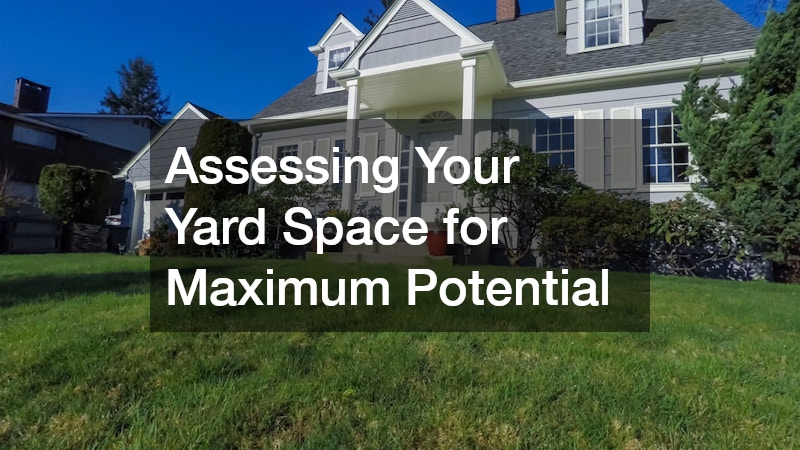
Before any design begins, understanding the unique characteristics of your yard is essential. Proper assessment ensures your landscaping efforts are both practical and visually appealing. Factors such as sunlight exposure, soil type, slope, and drainage will influence plant selection, layout, and the type of features you can incorporate.
Professional landscaping services can provide insights and guidance tailored to your specific property. They often perform soil tests, recommend native or drought-resistant plants, and create a maintenance plan that aligns with your lifestyle. Even if you plan to handle most tasks yourself, consulting a professional for an initial assessment can save time and prevent costly mistakes.
Equally important is considering ongoing lawn and grounds maintenance. A beautiful yard requires consistent upkeep to prevent overgrowth, erosion, and pest issues. By factoring maintenance into your design from the start, you ensure that your landscaping remains sustainable and enjoyable over the long term.
Practical steps to assess your yard:
- Map out high-traffic zones and quiet relaxation areas.
- Note existing trees, fences, slopes, and other natural features.
- Evaluate soil quality and drainage patterns.
- Identify areas that receive full sun, partial shade, or full shade.
- Consider accessibility for maintenance and landscaping equipment.
By carefully assessing your yard, you create a foundation for a functional, attractive, and manageable outdoor space. This initial evaluation allows you to identify areas that need improvement, recognize natural strengths like sunlight patterns or existing trees, and plan for features that suit your lifestyle. Understanding your yard’s unique characteristics also helps prioritize projects, whether it’s installing new garden beds, adding hardscaping elements, or creating recreational areas. With a clear vision in place, every decision—from plant selection to layout design—becomes more intentional, ensuring that the final result is both beautiful and practical for years to come. Designing Functional Zones for Every Yard
Zoning your yard into distinct functional areas can dramatically improve usability and aesthetic appeal. Creating separate zones for seating, dining, gardening, play, and entertaining allows each space to serve a clear purpose without feeling cluttered or overwhelming.
Small yards benefit from vertical planting solutions, multipurpose furniture, and creative storage. Large yards, on the other hand, allow for expansive gardens, walking paths, and multiple seating or entertainment areas. Using dirt delivery and gravel sales strategically can help define these zones. For instance, gravel paths can guide movement, while delivered topsoil can create level planting beds or elevate play areas.
Tips for zoning your yard effectively:
- Plan circulation paths to prevent soil compaction and preserve plant health.
- Use gravel or pavers to create visually distinct pathways.
- Design multi-level planting areas to maximize vertical space.
- Incorporate seating areas that allow for both social interaction and solitude.
- Ensure functional areas are proportionate to the overall yard size.
By thoughtfully dividing your yard, you can balance beauty and utility, making it an enjoyable space for all activities. Creating distinct zones—such as a play area for children, a garden retreat, or an outdoor dining space—helps organize the yard while maximizing usability. Strategic placement of pathways, seating, and plantings ensures smooth movement and visual harmony, allowing each area to serve its purpose without feeling crowded or disconnected. This approach also makes maintenance easier, as different zones can be cared for according to their specific needs. By integrating both functional and aesthetic considerations, your yard becomes a cohesive outdoor environment that supports relaxation, entertainment, and everyday enjoyment.
Choosing Plants for Aesthetic and Environmental Impact
Plant selection is crucial for both beauty and sustainability. Opting for native species reduces water needs and improves resistance to pests and diseases. Drought-tolerant plants are particularly valuable in areas prone to water scarcity, while perennial varieties ensure consistent color throughout the year.
Tree companies can assist with proper tree selection, ensuring you choose species suited to your climate, soil, and space constraints. Additionally, integrating pest control services early can prevent infestations and minimize chemical usage, promoting a healthier, more balanced ecosystem in your yard.
Planting tips for a thriving landscape:
- Mix perennials, shrubs, and seasonal flowers for year-round appeal.
- Space plants according to mature size to prevent overcrowding.
- Use companion planting techniques to naturally deter pests.
- Incorporate flowering plants that attract pollinators and beneficial insects.
- Consider vertical planters or trellises for smaller yards.
With thoughtful plant selection, your yard becomes not only visually appealing but environmentally responsible, reducing maintenance while supporting local ecosystems. Choosing native or drought-tolerant plants minimizes water usage and encourages natural pollinators such as bees and butterflies. Layering plants with complementary growth habits, colors, and textures can create year-round interest without requiring constant attention. Incorporating seasonal blooms, shrubs, and trees ensures that each corner of your yard contributes to a balanced and sustainable landscape. Additionally, strategic plant placement can provide shade, improve soil health, and naturally reduce pests, making your outdoor space both beautiful and functional. By prioritizing sustainability alongside aesthetics, you cultivate a yard that enhances biodiversity, conserves resources, and remains vibrant and manageable throughout the seasons.
Elevating Your Yard with Trees and Shrubs
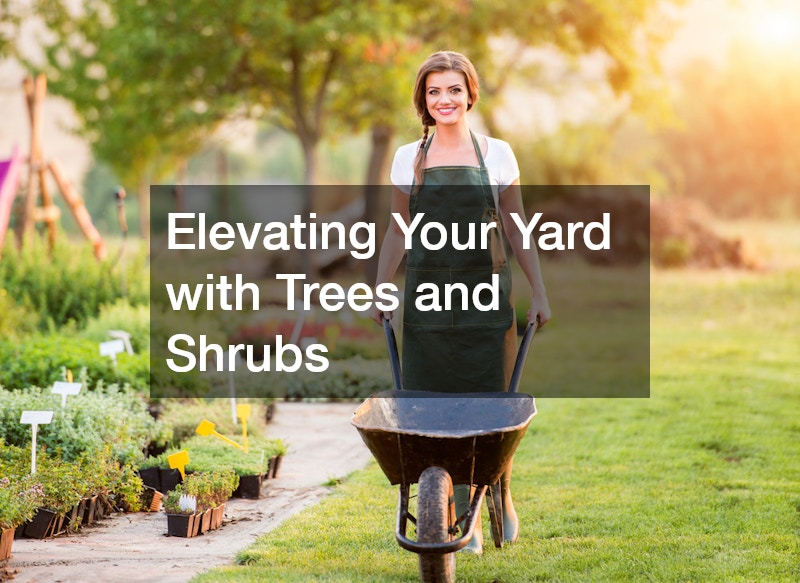
Trees and shrubs provide structure, shade, and visual interest. They can create natural privacy screens, define garden areas, and offer shelter for wildlife. Regular tree trimming helps maintain health, prevent hazards, and enhance aesthetic appeal. Consulting an arborist ensures that pruning and planting are done safely and appropriately for each species.
Small yards may benefit from dwarf or espaliered trees that save space while adding greenery. Large yards can accommodate full-sized trees to create shaded retreats or frame focal points. Proper placement prevents interference with underground utilities and avoids overcrowding.
Tips for working with trees and shrubs:
- Schedule regular pruning to maintain shape and safety.
- Use trees strategically to frame seating areas or define boundaries.
- Consider growth rate and mature size before planting.
- Mix evergreen and deciduous varieties for year-round interest.
- Maintain soil health and apply mulch to reduce water evaporation.
By incorporating trees and shrubs thoughtfully, you can add depth, texture, and long-term value to any yard. Strategically placing larger trees can provide shade, reduce energy costs, and create natural focal points, while shrubs can define boundaries, add privacy, and soften hardscaping elements. Selecting species suited to your climate and soil conditions ensures healthy growth and reduces maintenance over time. Layering different heights, colors, and seasonal textures contributes to visual interest and a sense of dimension, making both small and large spaces feel dynamic and inviting. Additionally, trees and shrubs support local wildlife, improve air quality, and help manage water runoff, aligning beauty with environmental responsibility. When combined with complementary plantings and hardscape features, these elements create a cohesive and enduring landscape that enhances both aesthetics and property value for years to come.
Sustainable Landscaping Practices
Sustainability in landscaping reduces environmental impact while lowering long-term maintenance needs. Practices such as composting, scrap recycling, and efficient water management contribute to healthier soil, conserve resources, and create a resilient outdoor space.
Scrap recycling allows you to repurpose garden waste and leftover materials. Grass clippings, branches, and leaves can be turned into mulch or compost, enriching soil and reducing landfill waste. Water treatment systems, such as rainwater harvesting or greywater irrigation, further enhance sustainability by providing efficient, eco-friendly watering solutions.
Sustainable landscaping strategies:
- Compost leaves, grass clippings, and plant trimmings for nutrient-rich soil.
- Use collected rainwater or greywater for irrigation.
- Plant drought-tolerant species to minimize water consumption.
- Incorporate native plants to reduce fertilizer and pesticide use.
- Create mulch layers around trees and beds to retain soil moisture.
By embracing sustainable practices, your yard not only thrives but also contributes positively to the environment, demonstrating that creative landscaping can be both beautiful and responsible. Implementing techniques such as rainwater harvesting, composting, and organic fertilization reduces resource consumption and supports healthy soil. Choosing native or drought-tolerant plants minimizes water use while providing habitat for local pollinators and wildlife. Incorporating permeable pathways, efficient irrigation systems, and mulching helps manage water runoff and prevents erosion, protecting both your yard and the surrounding ecosystems. Even small actions, like repurposing scrap materials or selecting environmentally friendly hardscaping, can have a meaningful impact. When sustainability is integrated into design choices, your outdoor space becomes a living example of how aesthetics and ecological responsibility can coexist. Over time, these thoughtful decisions not only enhance the visual appeal and functionality of your yard but also promote long-term environmental stewardship, creating a landscape that is both rewarding to enjoy and beneficial to the planet.
Hardscaping and Outdoor Features

Hardscaping adds structure and durability to your yard. Gravel, stone, and delivered dirt can create pathways, patios, retaining walls, and raised beds, enhancing both functionality and aesthetics. Hardscape elements help manage drainage, reduce erosion, and create visually appealing focal points.
Balancing hardscape and softscape ensures a harmonious outdoor environment. For example, a gravel patio surrounded by lush plants softens the appearance of stone while providing a stable area for outdoor furniture or play spaces. Delivered dirt can level uneven areas, improve soil quality, and support healthy plant growth.
Hardscaping tips:
- Create focal points using rocks, water features, or raised beds.
- Use gravel paths to guide visitors and prevent soil compaction.
- Combine softscape elements like shrubs and flowers with hardscape features.
- Level sloped areas with dirt delivery to prevent erosion.
- Select durable materials that withstand local weather conditions.
Thoughtfully implemented hardscaping transforms your yard into a practical, attractive, and low-maintenance space. By integrating elements such as patios, walkways, retaining walls, and seating areas, you create defined zones that enhance both functionality and visual appeal. Selecting durable, weather-resistant materials ensures longevity while reducing the need for frequent repairs or upkeep. Hardscaping can also complement natural landscaping, providing contrast with plants and greenery while guiding foot traffic and protecting delicate areas from damage. Incorporating features like fire pits, raised planters, or water elements not only adds aesthetic interest but also encourages outdoor living and social interaction. Additionally, using permeable materials and proper drainage techniques helps manage water runoff and prevent erosion, contributing to a healthier yard overall. When combined with thoughtful plant placement, hardscaping elevates your outdoor space into a cohesive, versatile environment that is both beautiful and easy to maintain, demonstrating that design and practicality can coexist seamlessly.
Seasonal Maintenance and Care
Consistent seasonal maintenance preserves the health and beauty of your yard. Lawn and grounds maintenance should be adapted throughout the year to accommodate growth cycles, weather changes, and pest activity. Regular care ensures that plants remain healthy, trees are structurally sound, and outdoor spaces are safe and inviting.
Pest control services play a critical role in maintaining plant health. Seasonal treatments can prevent infestations and minimize the need for chemical interventions, keeping your garden safe for children, pets, and beneficial wildlife.
Seasonal maintenance checklist:
- Prune shrubs and trees in late winter or early spring.
- Fertilize lawns and garden beds as needed.
- Reseed bare patches and aerate soil for healthy growth.
- Implement preventive pest control strategies before infestations occur.
- Winterize sensitive plants and prepare irrigation systems for cold weather.
Regular attention to seasonal needs prolongs the life of your landscaping investments and keeps your yard visually appealing year-round. This includes tasks such as pruning, mulching, fertilizing, and adjusting irrigation based on weather conditions. By staying proactive, you can prevent minor issues from becoming costly problems and ensure that your plants, trees, and hardscaping elements remain healthy and vibrant through every season.
Creative Lighting and Decorative Touches

Lighting and décor add personality and functionality to your yard. Proper lighting extends usability after dark, highlights focal points, and enhances safety. Landscaping services can assist in selecting and installing lighting solutions that complement your design.
When installing lights near trees, consulting an arborist ensures that wiring and fixtures do not damage branches or compromise tree health. Decorative elements, such as sculptures, fountains, and garden ornaments, can further personalize outdoor spaces.
Tips for lighting and décor:
- Use solar lights along pathways for energy efficiency.
- Spotlight trees or architectural features to create visual interest.
- Integrate decorative elements that reflect personal style.
- Ensure outdoor fixtures are weather-resistant and durable.
- Combine functional and aesthetic lighting for a cohesive look.
Well-placed lighting and décor transform your yard into a welcoming, enjoyable environment that extends beyond daylight hours. Strategically positioned lights can highlight focal points, create ambiance, and improve safety along pathways or near steps. Adding decorative elements such as sculptures, planters, or water features enhances visual interest while reflecting your personal style and making the outdoor space truly inviting at any time.
Creative landscaping is an art that combines aesthetics, functionality, and sustainability. By thoughtfully assessing your yard, dividing it into functional zones, selecting appropriate plants, and incorporating hardscape features, you can create a space that is both beautiful and practical. Integrating sustainable practices, seasonal maintenance, and decorative touches ensures that your yard remains vibrant and enjoyable year-round.
Whether your outdoor space is small and intimate or expansive and grand, applying these strategies can enhance your lifestyle, support wellness, and increase property value. With careful planning and attention to detail, your yard becomes a true extension of your home, reflecting creativity, personality, and a commitment to lasting beauty.